Reptiles of Namibia
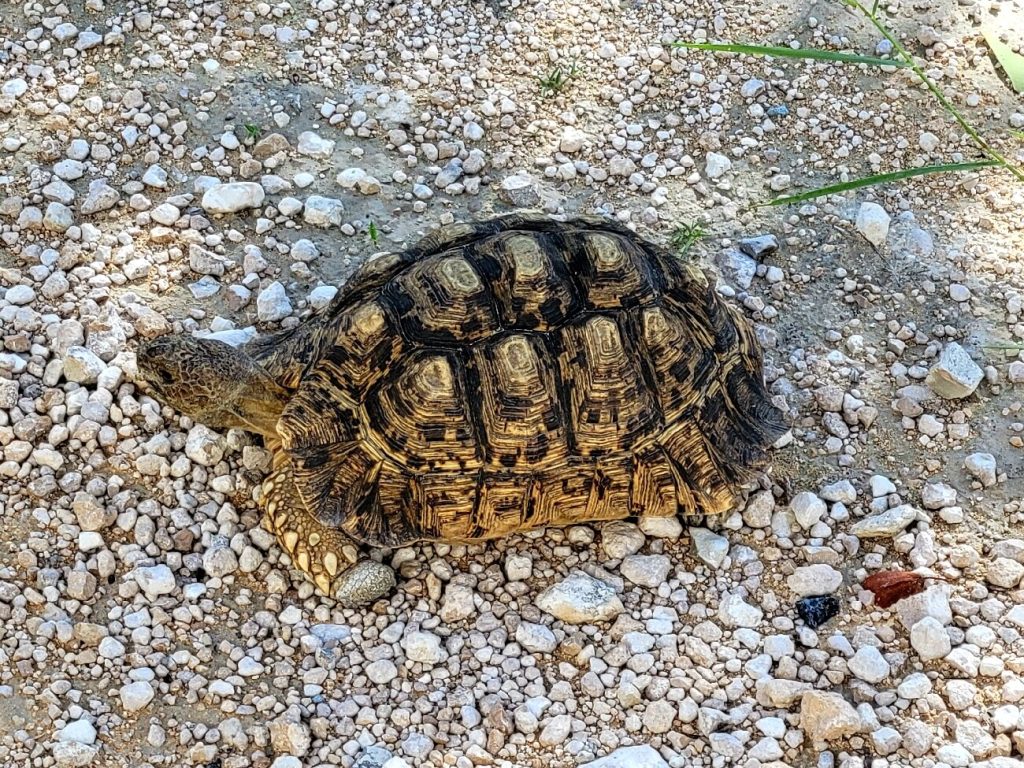
Namibia holds around 250 reptile species and 59 of them are endemic, close to a quarter, which makes it one of the better countries in the world for finding and photographing reptiles. The Namib produces specialists found nowhere else: a gecko with webbed feet, a sidewinding adder that swims through sand, and a lizard that dances to keep its feet off the ground.
A Reptile Destination Rather Than a Big Game One
Namibia will not compete with East Africa on mammals and it comfortably outperforms most of the continent on reptiles.
Around 250 species have been recorded, taking in chameleons, geckos, lizards, skinks, snakes, tortoises, terrapins, worm lizards and the Nile crocodile. Of those, 59 are endemic, which is close to a quarter of the total and an unusually high proportion.
The reason is habitat variety combined with isolation. Namibia has five biomes and several of them, the Namib dune sea in particular, are so specialised that the animals living in them evolved separately and stayed put.
Herpetological tours run here for that reason alone, which is not something you can say about many countries, and they concentrate on the Namib and the escarpment where the endemics are.
The Namib Sand Specialists
The dune sea produces the most extreme adaptations and the animals most visitors come to see.
Peringuey’s adder is the sidewinder, a small viper that moves diagonally across loose sand to keep most of its body clear of the surface, and that buries itself entirely with only the eyes exposed. The eyes sit on top of the head rather than the sides for exactly that reason. It ambushes lizards and geckos from beneath the sand.
The web footed or palmato gecko is the one with the enormous dark eyes and translucent pinkish skin through which the internal organs are faintly visible. The webbing between its toes works as a snowshoe on loose sand and as a shovel for digging burrows. It licks condensed fog from its own eyeballs, which is as improbable as it sounds and is how it drinks.
Angolosaurus skoogi is a large vegetarian lizard living in the dunes, unusual among lizards for eating plants, and it dives into sand to escape heat and predators.
The wedge snouted desert lizard, one of the Meroles group, performs what is called a thermal dance: standing on the hot sand it lifts diagonally opposite feet in rotation, cooling two at a time, and drops its tail down for balance. It is one of the more entertaining things to watch on a dune.
You will not find any of this alone. The Namib specialists are small, buried, camouflaged and mostly nocturnal, and a guided living desert tour from Swakopmund will show you five or six species in two hours that you would walk past for a week. Guides read tracks in the sand and dig the animals out, and this is the single best value activity on the Namibian coast.
Chameleons
The Namaqua chameleon is the one to look for and it behaves nothing like the chameleons most people picture.
Chamaeleo namaquensis reaches around 25 centimetres, which makes it one of the largest chameleons in southern Africa, and females are bigger than males. It lives on the ground rather than in trees, because there are no trees, and it walks considerable distances across gravel and sand hunting beetles, crickets and small lizards.
Colour change here is about temperature more than mood. A cold morning chameleon is nearly black to absorb heat; by midday the same animal is pale grey or white to reflect it. Watching one change across a morning is a straightforward demonstration of the mechanism.
The flap necked chameleon occurs in the wetter north and east, and the Namaqua dwarf chameleon lives in coastal vegetation in the far south, reaching about 16 centimetres with an unusually short tail.
Snakes of Namibia
Namibia holds a substantial snake list and the great majority of meetings end with the snake leaving.
The adders are the group most associated with the country. Puff adder is the widespread and genuinely dangerous one, an ambush predator that does not move away when approached and accounts for more bites than anything else across southern Africa. Horned adder carries a horn like scale above each eye, buries itself with only the eyes showing, and lures prey with a black tipped tail. Many horned adder and the range restricted Namaqua dwarf adder occur in the south, and the desert mountain adder is the one specialists travel for.
Among the elapids, the zebra snake or western barred spitting cobra is the one Namibians treat most seriously, spitting venom accurately at the eyes. Cape cobra and black mamba both occur, along with the green mamba further north.
Boomslang, the tree snake, is a slender aquamarine species reaching around two metres with highly potent venom and an almost complete unwillingness to bite. The vine snake is similar in temperament.
Non venomous species include the African rock python and Anchieta’s dwarf python, a small and little known species that herpetologists come here for.
Lizards, Geckos and Tortoises
Beyond the dune specialists, lizards are everywhere in Namibia and easy to watch.
The largest is the water monitor or leguaan, reaching over two metres, found near rivers and wetlands in the north. A smaller savanna leguaan occupies koppies and drier country.
Rock agamas are the brightly coloured lizards on granite at Spitzkoppe and in the Erongo, with breeding males turning startling blue and orange. Girdled lizards, plated lizards and skinks fill out the group, including several blind legless skinks that live entirely in sand.
Geckos are the strength of the Namibian list. Beyond the palmato, there are barking geckos whose calls carry across the gravel plains at dusk, the Namib giant ground gecko, and a large group of Pachydactylus species that have diversified across the country’s rocky habitats.
Tortoises include the Nama padloper, a small southern species, along with leopard tortoise and several others. Terrapins occur in the northern wetlands.

Crocodiles and the Northern Rivers
Nile crocodiles occur in the perennial rivers and wetlands of the north and northeast: the Kunene, the Okavango, the Kwando, the Zambezi and the Chobe.
They reach substantial size in the Zambezi Region, with animals of five metres reported from the Nkasa Rupara channels, and they are a genuine hazard rather than a theoretical one.
The practical advice is straightforward. Do not swim in northern rivers, do not stand at the water’s edge, do not clean fish or wash at the bank, and take particular care at dusk and dawn. Local people are killed by crocodiles in this region and visitors should treat the warnings as literal.
There are no crocodiles in the desert, the coast, Etosha or the central highlands, so this applies only to the north and northeast.
Safety Around Namibian Reptiles
Snakebite is rare among visitors and worth taking seriously anyway.
Most bites happen when someone steps on or reaches towards a snake that had no intention of being involved. Wear closed shoes and watch where you put your feet and hands, particularly around rocks and firewood. Use a torch when walking at night around camp, since several of the dangerous species are nocturnal.
Puff adders are the main concern precisely because they do not move away. A snake lying still on a warm path in the evening is worth a wide berth rather than a photograph from close range.
If bitten, keep the person still and calm, do not cut, suck or apply a tourniquet, and get to medical help. Namibian lodges and camps know the drill and the antivenom situation in the country is reasonable.
Most reptiles you meet, including the great majority of snakes, are harmless and will leave if given the chance.
Where to See Reptiles in Namibia
Swakopmund dune belt. Living desert tours produce Namaqua chameleon, palmato gecko, Peringuey’s adder, wedge snouted lizard and dancing white lady spiders in a single morning.
Spitzkoppe and Erongo. Rock agamas on granite, girdled lizards, Koch’s barking gecko, and rock dwelling species not found in the sand.
Southern Namibia. Namaqua dwarf adder, Nama padloper, large scaled gecko in the Karas mountains, and the succulent Karoo specialists.
Zambezi Region. Nile crocodile, water monitor, terrapins and a wetter country reptile list entirely different from the desert.
Best Time to See Reptiles
The warmer months from about October to April are when reptiles are most active, since they depend on external heat. That is also the wet season, and rain brings out species that spend the dry months buried.
Winter from May to September is quieter, though the desert specialists remain findable with a guide because they operate on fog rather than warmth and their tracks are readable in cool sand.
Time of day matters more than season for the Namib species. Early morning shows fresh tracks from the night, and guided tours work that window. Many of the animals themselves are nocturnal and are located by track rather than by sight.
Reptiles of Namibia Questions
How many reptile species does Namibia have?
Around 250, of which 59 are endemic, close to a quarter of the total. That is an unusually high endemism rate and reflects the specialisation forced by the Namib dune sea and the country’s other arid habitats. The list covers chameleons, geckos, lizards, skinks, snakes, tortoises, terrapins, worm lizards and the Nile crocodile.
What is the palmato gecko?
A small Namib dune specialist with enormous dark eyes and translucent pinkish skin through which the internal organs are faintly visible. The webbing between its toes works as a snowshoe on loose sand and as a shovel for digging. It licks condensed fog from its own eyeballs, which is how it drinks in a place with almost no water.
Are there dangerous snakes in Namibia?
Yes, though bites among visitors are rare. Puff adder is the main concern because it does not move away when approached and accounts for most bites across southern Africa. The zebra snake or western barred spitting cobra spits venom accurately at the eyes. Cape cobra and black mamba occur. Boomslang has potent venom and almost never bites. Wear closed shoes, watch where you step, and use a torch at night.
Where can I see Namib desert reptiles?
On a guided living desert tour from Swakopmund, which is the only realistic way. Guides read tracks in the sand and dig animals out, producing Namaqua chameleon, palmato gecko, Peringuey’s adder and wedge snouted lizard in a couple of hours. Independent visitors walk past all of it. These tours consistently outrate activities on this coast costing three times as much.
Are there crocodiles in Namibia?
Yes, Nile crocodiles in the perennial rivers of the north and northeast: the Kunene, Okavango, Kwando, Zambezi and Chobe. Animals of five metres have been reported from the Nkasa Rupara channels. Do not swim, stand at the water’s edge, clean fish or wash at the bank in these areas. There are no crocodiles in the desert, on the coast, in Etosha or the central highlands.
What is the thermal dance?
A behaviour of the wedge snouted desert lizard and related species. Standing on sand too hot to touch, the lizard lifts diagonally opposite feet in rotation, cooling two at a time while the other two carry the weight, and drops its tail down for balance. It looks like dancing and it is thermoregulation. It is one of the more entertaining things to watch on a dune.
How does a sidewinding adder move?
Peringuey’s adder throws its body diagonally across the sand in loops, keeping most of itself clear of a surface too hot to lie on and gaining traction on a substrate that offers none. It also buries itself completely with only the eyes exposed, which is why the eyes sit on top of the head rather than at the sides, and ambushes lizards and geckos from beneath the surface.
Booking Your Namibia Trip
The safari companies and tour operators listed on this website put trips like this together for a living and know which camps, guides and routes actually deliver. We are an independent guide to Namibia; we do not book or sell tours ourselves.
When you are ready, arrange your safari, tour or holiday with one of the recognised operators listed here. Tell them your dates and what matters most, and a real person, not a form, will handle the itinerary, park bookings and logistics for you.