Nkasa Rupara National Park

Nkasa Rupara National Park is Namibia’s largest protected wetland, around 320 square kilometres of channels, reed beds and islands where the Kwando River becomes the Linyanti at the southern tip of the Zambezi Region. It holds close to a thousand buffalo, the largest concentration in the country, and up to 80 percent of it floods in the rainy season. Access needs a 4×4 with recovery gear.
A Namibian Version of the Okavango Delta
Comparisons to the Okavango get made freely across southern Africa and here the comparison is earned. Nkasa Rupara is a genuine wetland system of permanently filled main channels, periodically flooded side channels, oxbow lagoons, papyrus and reed beds, with tree covered islands sitting on old termite mounds.
When the flood from the Kwando is high, the park becomes a smaller and considerably more remote version of the delta. The difference is that the Okavango disappears into the Kalahari sands, while this water carries on into Botswana as the Linyanti and eventually the Chobe.
Periodic flooding drives the whole ecosystem. The seasonal rise and fall determines where animals can go, which channels hold fish, where the grazing is and, for a visitor, which parts of the park are reachable at all.
The park takes its name from Nkasa and Rupara, the two large islands within it. It was proclaimed as Mamili just days before Namibian independence, after a family of traditional Mafwe leaders, and renamed later for the islands.
Buffalo, Elephant and the Puku
Around a thousand buffalo occupy this park, the largest concentration anywhere in Namibia, and they are the animal most associated with it. Herds move across the floodplains and between the islands as the water allows.
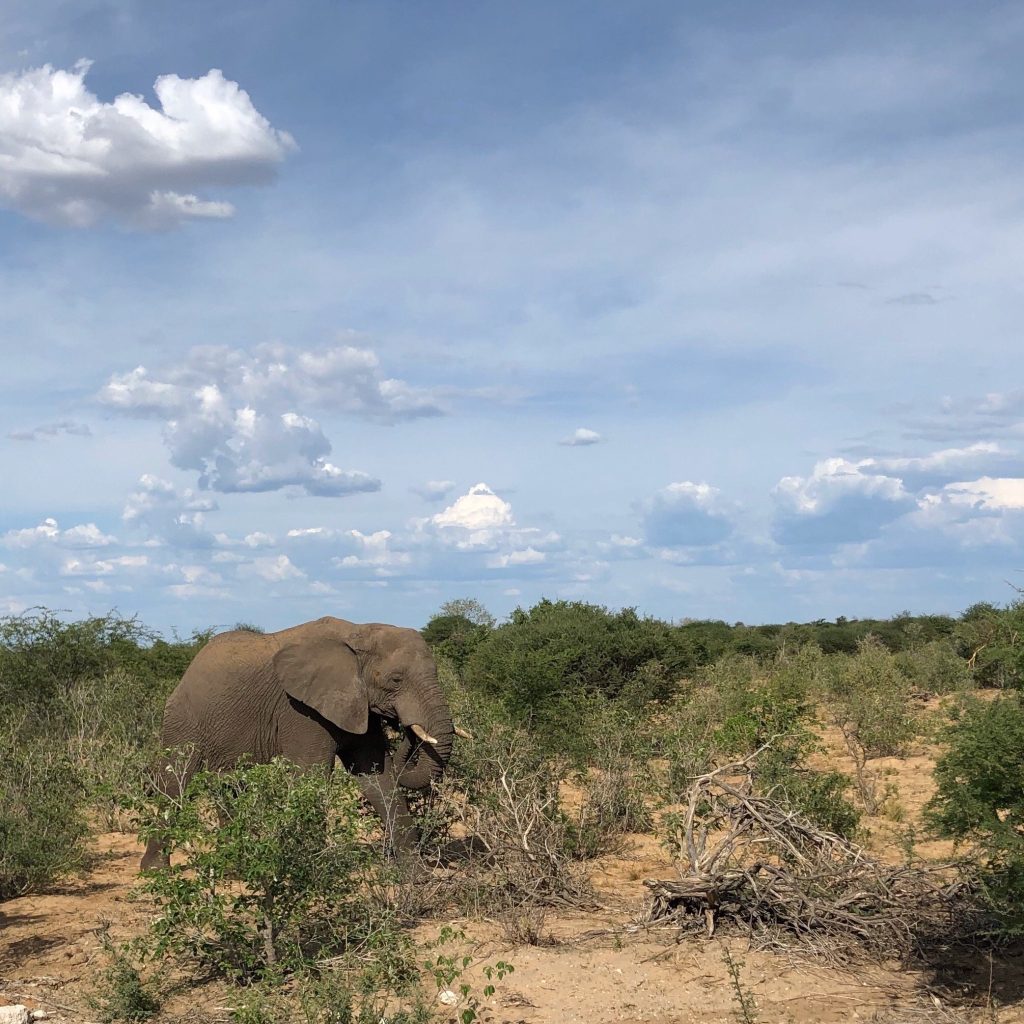
Elephant use the park as a corridor rather than a home, moving between Botswana, Angola and Zambia across unfenced borders, and Nkasa Rupara is considered a core breeding area from which wildlife disperses into the neighbouring Balyerwa, Wuparo and Dzoti conservancies.
Hippo are everywhere in the channels and crocodile reach substantial size here, with five metre animals reported. Red lechwe and common reedbuck work the wet ground, and sitatunga live in the reed beds.
The rarest resident is the puku, a wetland antelope whose last remnant Namibian population survives in this area. It occurs almost nowhere else in the country, which for anyone keeping a list is a strong reason to make the effort.
Lion, leopard, spotted hyena and African wild dog all occur, though sightings are a matter of luck rather than expectation.
Drive here in two vehicles rather than one. This is standard advice from the park authorities rather than excessive caution. There are no facilities, no recovery service, no phone signal across much of the park and channels that can trap a vehicle quickly. If you cannot travel in convoy, base at one of the lodges and take their guided drives instead.
Flooding and When the Park Is Accessible
Nkasa Rupara sits in the highest rainfall area in Namibia, receiving somewhere between 600 and 700 millimetres a year, and the seasonal swing here is more extreme than anywhere else in the country.
During the rains, roughly January through March, as much as 80 percent of the park floods and the two islands are cut off from the mainland entirely. Large sections become inaccessible, camping becomes inadvisable, and even the lodges can find their reach limited.
In the dry months from about June to October the water recedes, the islands can be reached by road, and large herds of elephant and buffalo gather on Nkasa and Rupara. This is the only realistic window for self drivers.
A bridge constructed in recent times has improved access considerably, though conditions still change with the water and should be checked locally rather than assumed.
Birdlife in the Linyanti Swamps
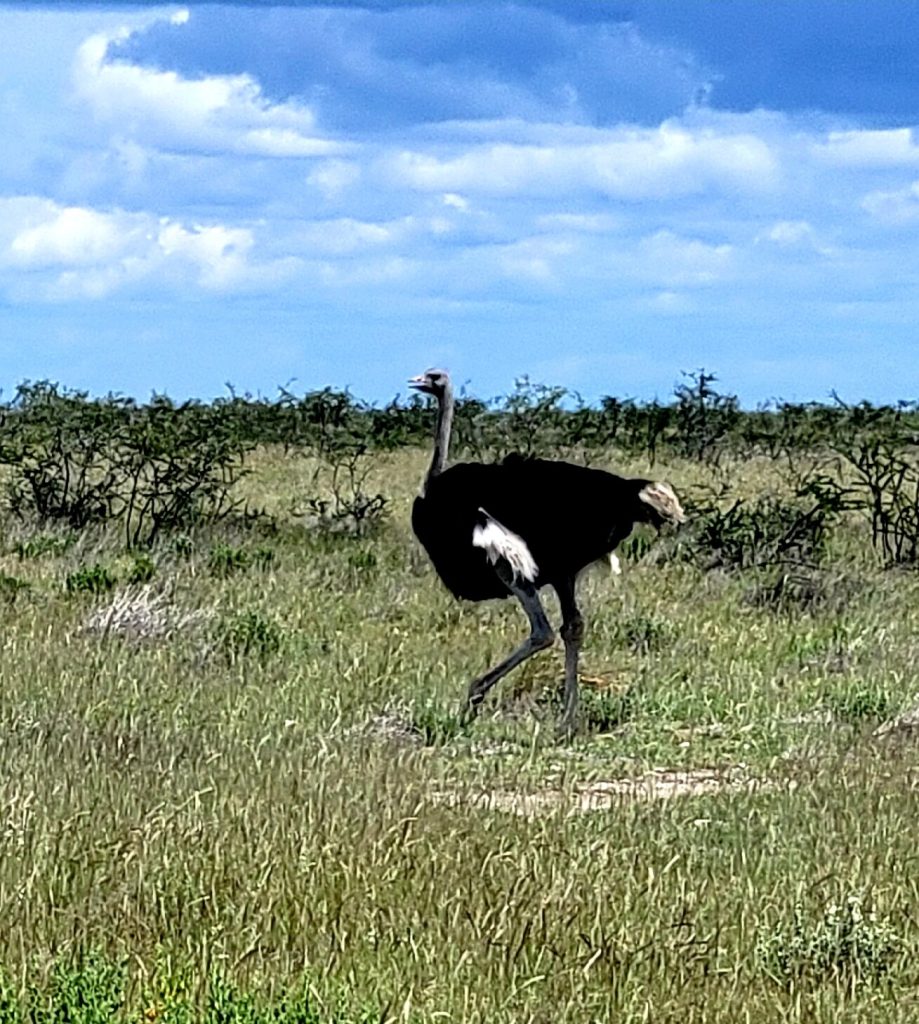
Over 400 bird species have been recorded here, and the wetland habitat delivers species that simply do not occur in the rest of Namibia.
The channels and lagoons hold African skimmer, slaty egret, rufous bellied heron, lesser jacana, coppery tailed coucal and greater swamp warbler. Pel’s fishing owl works the riverine trees. Wattled crane occur on the floodplains, and rock pratincole use the exposed rock in the channels.
Even in the flooded months when mammal viewing becomes impossible, the watercourses continue to hold enormous numbers of birds, which is why some visitors deliberately come in the wet season and travel by boat rather than vehicle.
Carmine bee eater colonies nest in the river banks through the warmer months, and migrants arrive from around November to push the counts to their peak.
Conservancies and the Mudumu South Complex
The park is unfenced and forms a transboundary link for wildlife moving between Angola, Botswana, Namibia and Zambia, which means managing it in isolation would be pointless.
It sits within the Mudumu South complex, an arrangement grouping the national park with surrounding conservancies and community forest areas into a single management unit. Stakeholders work jointly on anti poaching, early burning, game monitoring and wildlife translocations across boundaries that the animals ignore anyway.
Development funding through a long running parks programme has supported infrastructure, management planning, animal translocations and partnerships between government and communities across the northeastern parks.
The practical result for a visitor is that the lodges here operate as joint ventures with conservancies such as Wuparo, and the fees paid go into the structures that keep the corridors open.
Where to Stay at Nkasa Rupara
Options are few and that is part of the character of the place.
Nkasa Lupala Tented Lodge sits on the edge of the park as a joint venture with the Wuparo Conservancy, with a smaller tented camp inside the park itself. It is the established comfortable option and runs guided drives and boat trips.
A community managed rest camp operates on the banks of one of the channels, run on behalf of the local community, and offers a simpler and cheaper base. Other camps operate in the wider Kwando and Linyanti area.
Camping inside the park is possible in the dry season and inadvisable during the rains given the flooding. There are no facilities at all inside, so anyone camping must be entirely self sufficient with water, food, fuel and recovery equipment.
Combining Nkasa Rupara with Mudumu and Bwabwata
Very few travellers visit this park alone, and it makes far more sense as part of a Zambezi circuit.
Nkasa Rupara. Swamp and channels, around 320 square kilometres. Buffalo, puku, hippo, crocodile. The hardest to reach and the most rewarding for wetland species.
Mudumu. About 30 kilometres north, roughly 1,000 square kilometres of woodland and floodplain. Drier underfoot, easier access, similar species list.
Bwabwata. West along the B8, the largest at around 6,270 square kilometres. Three core areas, Popa Falls, the best birding in the country at Mahango.
Onward to Botswana. Katima Mulilo sits northeast, with the road on to Kasane for Chobe and Victoria Falls beyond. Many travellers drive the strip one way rather than returning.
Allow at least a week for the three parks if you are driving yourself. Distances are short and the road conditions make progress slow.
Best Time to Visit Nkasa Rupara
June to October, and more firmly than in most Namibian parks. The water recedes, the islands become reachable, elephant and buffalo herds concentrate on them, tracks are passable and malaria risk falls to its annual low.
September and October are the strongest months for game viewing, with animals tied to the remaining water and the vegetation thinned out.
January to March is the flood, with up to 80 percent of the park under water and much of it unreachable. Malaria risk peaks. It remains excellent for birding by boat, which is the only reason to come then, and self driving in those months is not a sensible plan.
Getting to Nkasa Rupara National Park
The park lies at the southern tip of the Zambezi Region, roughly 30 kilometres south of Mudumu along the D3511, reached from the B8 via Kongola. Sangwali village sits just to the north and Botswana lies to the west, south and east.
It can also be approached from Katima Mulilo via the C49. Either way, fill up and stock up before you turn off the tar, since there is nothing available closer.
Park fees are pre-paid at Ministry offices in Katima Mulilo or Windhoek, or paid on arrival. Carry cash. From Windhoek the whole region is well over 1,200 kilometres and needs two long driving days.
Nkasa Rupara National Park Questions
What does it cost to visit Nkasa Rupara?
Park entry is per person per day plus a vehicle fee, historically modest at under 100 Namibian dollars per adult, though the national schedule was revised upward recently so confirm on arrival or when pre-paying at Ministry offices in Katima Mulilo. The tented lodge on the park edge sits in the mid to upper range for the region, and the community rest camp is considerably cheaper. Card facilities are unreliable here, so carry cash.
Do I need two vehicles to visit?
Travelling in a minimum of two vehicles is strongly recommended by the park authorities and it is sound advice rather than excessive caution. There are no facilities inside, no recovery service, and limited phone signal. Channels and soft ground can trap a vehicle quickly. If convoy travel is not possible, stay at one of the lodges and use their guided drives, which solves the problem entirely.
When is the park flooded?
Roughly January through March, when up to 80 percent of the park goes under water and the Nkasa and Rupara islands are cut off from the mainland. Camping becomes inadvisable and self driving is not realistic. The dry months from June to October are when the islands can be reached by road and the game concentrates, which is the window nearly all visitors should aim for.
What can I see here that I cannot see elsewhere in Namibia?
Puku, a wetland antelope whose last remnant Namibian population survives in this area and which occurs almost nowhere else in the country. Beyond that, close to a thousand buffalo forming the largest concentration in Namibia, along with sitatunga, red lechwe, large crocodile and a wetland birdlist running past 400 species. None of these are available at Etosha or in the desert.
Is Nkasa Rupara safe to visit?
The wildlife risks are real and manageable. Hippo come onto the floodplains at night to feed and are the most dangerous large animal here. Crocodile in the channels reach substantial size. Keep well away from the water’s edge, do not walk at night, and treat camping seriously. The greater practical risks are getting stuck, running out of fuel and malaria, which is why convoy travel and preparation matter.
How does it compare to the Okavango Delta?
Genuinely similar in habitat, considerably smaller, far less developed and much cheaper. The channels, reed beds, lagoons and termite mound islands mirror the delta closely, and the same wetland species occur. What it lacks is the Okavango’s infrastructure, guiding depth and reliability of sightings. What it offers instead is near total solitude, which in the delta is expensive.
Why was the park renamed?
It was proclaimed as Mamili National Park, named after a family of traditional Mafwe leaders, on 1 March 1990, days before Namibian independence. It was later renamed Nkasa Rupara after the two large islands within it in the Kwando and Linyanti river system. Both names still appear in guides and on maps, along with the variant Nkasa Lupala, which can make searching for information confusing.
Booking Your Namibia Trip
The safari companies and tour operators listed on this website put trips like this together for a living and know which camps, guides and routes actually deliver. We are an independent guide to Namibia; we do not book or sell tours ourselves.
When you are ready, arrange your safari, tour or holiday with one of the recognised operators listed here. Tell them your dates and what matters most, and a real person, not a form, will handle the itinerary, park bookings and logistics for you.