Otjiwarongo
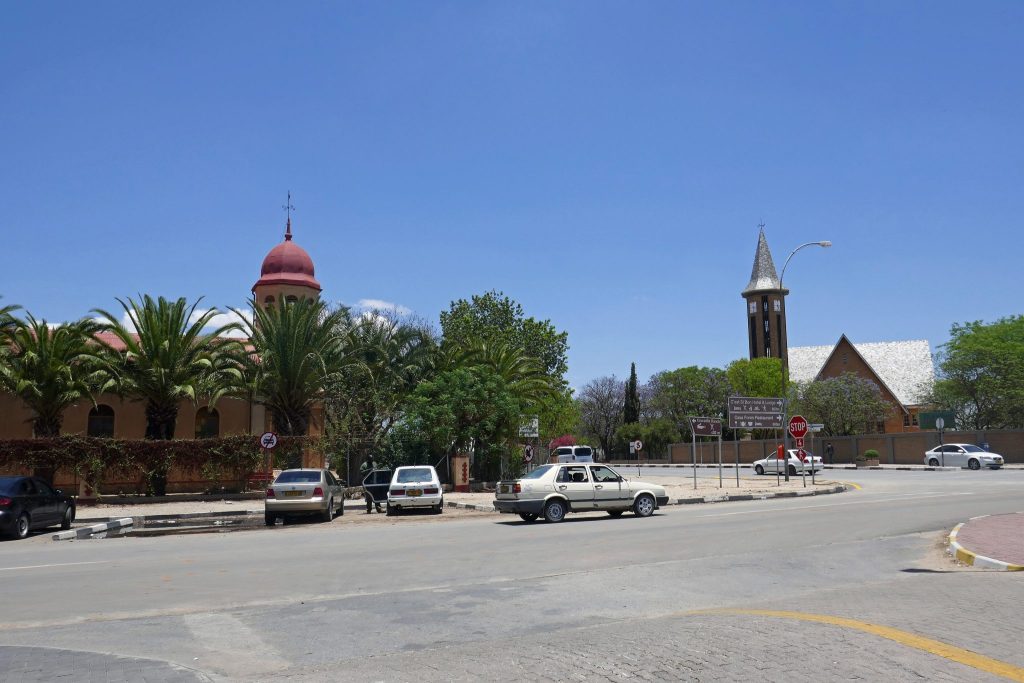
Otjiwarongo is the junction town of northern Namibia, sitting where the roads to Etosha, Waterberg and Damaraland separate, and almost every visitor passes through it. Its name means the place of fat cattle in Otjiherero. The Cheetah Conservation Fund, the global centre of cheetah research, is based just outside it.
The Junction
Otjiwarongo’s importance is entirely geographic and it explains the town’s size and services.
The B1 runs north from Windhoek and reaches Otjiwarongo after about 250 kilometres. From here the roads diverge: north on the B1 to Otavi, Tsumeb and eastern Etosha; northwest on the C38 to Outjo and Etosha’s Andersson Gate; east to Waterberg; and west towards Damaraland via Kalkfeld and Omaruru.
Almost every Namibian itinerary that includes Etosha passes through. That has made Otjiwarongo a substantial service town of around 30,000 people with everything a traveller needs and very little a traveller travels for.
It grew as a railway town, sitting on the line built to move ore south from the copper country, and the old station and steam locomotive on display reflect that history.
Reading the town as a junction rather than a destination makes it considerably more useful.
The Cheetah Conservation Fund
The most substantial reason to stop is east of town and it is not a tourist attraction in the ordinary sense.
The Cheetah Conservation Fund is the global centre of cheetah research, based here because Namibia holds the largest free ranging cheetah population in the world and because around 90 percent of those animals live on farmland rather than in parks.
The centre runs a research and education facility, a genetics laboratory, a model farm demonstrating predator friendly practice, and a breeding programme for the Anatolian shepherd and Kangal dogs placed with Namibian farmers as livestock guardians.
Visitors can tour the centre, see the resident cheetah at feeding time, visit the guarding dog kennels and take game drives across the reserve. The animals held there are non releasable, usually orphaned or confiscated after being kept illegally as cubs, and the centre is clear about that.
Farms running guarding dogs report livestock losses falling by up to 90 percent, which is why the programme matters more than the visitor experience does.
It sits directly on the route between Windhoek and Etosha, which makes it an easy stop rather than a detour.
Do the Cheetah Conservation Fund on the southbound leg at the end of your trip rather than heading north. You will have seen Etosha by then and will understand why 90 percent of Namibia’s cheetah live outside it, which makes the whole visit land differently. It also breaks the drive back to Windhoek for a flight the following day.
The Crocodile Ranch
Otjiwarongo’s other well known attraction is a working crocodile farm rather than a conservation project, and it is worth being clear about the distinction.
The ranch breeds Nile crocodiles commercially and holds animals of every size from hatchlings to substantial adults. Guided tours cover the breeding operation and the biology, and feeding times are the draw.
It is one of the few places in Namibia to see Nile crocodiles at close range without travelling to the northern rivers, and for visitors not going to the Zambezi Region that is a genuine consideration.
Children mostly find it memorable. Visitors uncomfortable with commercial wildlife operations may prefer to skip it, and that is a reasonable position to take.
It sits in town rather than outside, which makes it easy to fit into an hour.
Gateway to Waterberg
Waterberg Plateau Park lies east of Otjiwarongo and the town is the practical staging point for it.
The plateau is a sandstone massif rising up to 200 metres above the plains, proclaimed to breed rare and endangered species, and it now supplies other Namibian parks with white and black rhino, disease free buffalo, sable, roan and tsessebe.
It is also the site of the 1904 battle that began the Herero genocide, which is covered in depth on our Waterberg page and which is the weightier reason to go.
Self driving on the plateau is not permitted; access is on guided drives from the rest camp. The walking is the main draw, from nine short trails around the camp to multi day hikes on the plateau.
Otjiwarongo is around an hour and a half away and is where you fuel and stock up beforehand.
Okonjima and the Big Cats
South of Otjiwarongo, about 48 kilometres down the B1 and ten kilometres off the road, sits the other reason travellers stop in this area.
Okonjima is a 220 square kilometre private reserve, home of the AfriCat Foundation, running leopard and cheetah tracking with collared animals using radio telemetry. Sighting odds are far better than any national park offers.
It also runs brown hyena tracking and, subject to conservation requirements, pangolin tracking, which is available in very few places anywhere.
Accommodation runs from campsites through mid range camps to private villas, which is a wider range than most private reserves offer.
Two nights is the recommended minimum, giving two tracking cycles rather than one.
Its position roughly halfway between Windhoek and Etosha makes it the natural break on that drive, converting a five hour push into two comfortable legs.

Practical Services
This is where Otjiwarongo earns its place in an itinerary.
Supermarkets are properly stocked and considerably cheaper than anything further north or west. This is a sensible place to buy food before Etosha, Damaraland or the Waterberg.
Fuel, banks, ATMs, pharmacies, a hospital and vehicle workshops are all here. For self drivers, it is the last comprehensive service town before several different directions.
Accommodation runs to hotels, guesthouses and lodges in and around town, plus guest farms on the surrounding commercial farmland.
The town has restaurants and cafes, which after several days of camp cooking is worth knowing.
Mobile coverage is good here and patchy to absent in most directions from it, so it is a reasonable place to handle anything requiring a signal.
The Surrounding Farmland
The country around Otjiwarongo is commercial farmland and it holds more wildlife than the fences suggest.
This is the heart of Namibian cattle country and also, increasingly, of wildlife based land use. Many farms have converted wholly or partly to game, which has expanded populations of springbok, oryx, kudu, eland and giraffe across the region.
It is also where the cheetah conflict plays out. Farmland here holds the world’s largest free ranging cheetah population precisely because lion and hyena were removed generations ago, and the Cheetah Conservation Fund exists to keep farmers tolerating what remains.
Leopard densities on Namibian freehold farmland are higher than inside national parks, for the same reason.
Several guest farms in the area offer game drives, walks and horse riding, and they are a considerably cheaper way to see plains game than a private reserve.
Best Time to Visit
Otjiwarongo works year round and the timing is dictated by what you are travelling to rather than by the town.
May to October is the dry season and the busiest period, when the roads through here carry most of the country’s tourist traffic heading for Etosha.
The rains from November to April green the farmland considerably and bring calving on the game farms, along with heat and afternoon thunderstorms.
Winter nights are cold in this part of the country, dropping to single figures, which catches out visitors camping on guest farms.
Getting to Otjiwarongo
Otjiwarongo sits on the B1 around 250 kilometres north of Windhoek, roughly three hours on tar.
From here it is about 180 kilometres northwest to Etosha’s Andersson Gate via Outjo, around 250 kilometres north to Tsumeb, an hour and a half east to Waterberg, and west towards Damaraland via Kalkfeld.
Okonjima is 48 kilometres south on the B1 with a ten kilometre gravel access road.
All the main routes are tarred and the town is reachable in any vehicle. There is an airstrip for charter traffic.
Otjiwarongo Questions
Is Otjiwarongo worth stopping in?
As a town, not especially. As a junction and service stop, very much so. It sits where the roads to Etosha, Waterberg and Damaraland separate, has the last comprehensive supermarkets, fuel, banks and workshops before several directions, and the Cheetah Conservation Fund is just outside it. Treat it as the place you stock up rather than the place you sightsee.
What does the name mean?
The place of fat cattle, in Otjiherero. The name reflects the grazing quality of the surrounding country, which remains the heart of Namibian cattle farming. The town grew as a railway stop on the line built to move ore south from the copper country, and an old steam locomotive is displayed near the station.
What is the Cheetah Conservation Fund?
The global centre of cheetah research, based east of Otjiwarongo because Namibia holds the world’s largest free ranging cheetah population and around 90 percent of it lives on farmland rather than in parks. It runs research, a genetics laboratory, a model farm and a livestock guarding dog breeding programme. Visitors can tour the centre, see non releasable cheetah and take reserve drives.
Should I visit the crocodile ranch?
It is a working commercial crocodile farm rather than a conservation project, and worth knowing that before deciding. It offers close views of Nile crocodiles of every size with guided tours and feeding times, which for visitors not travelling to the northern rivers is the only chance to see them. Children mostly find it memorable; visitors uncomfortable with commercial wildlife operations may prefer to skip it.
How far is Otjiwarongo from Etosha?
About 180 kilometres northwest to the Andersson Gate via Outjo, which is roughly two to two and a half hours on tar, or around 250 kilometres north to Tsumeb for the eastern Von Lindequist Gate. It is the last town with comprehensive services before either, so it is the sensible place to fuel up and buy food for self catering in the park.
What is near Otjiwarongo?
Okonjima and the AfriCat Foundation are 48 kilometres south, running collared leopard and cheetah tracking with the best sighting odds in Namibia. Waterberg Plateau Park is an hour and a half east. The Cheetah Conservation Fund is just outside town. Several guest farms in the surrounding country offer game drives and walks at a fraction of private reserve prices.
Where should I break the Windhoek to Etosha drive?
Okonjima, 48 kilometres south of Otjiwarongo, is the strongest option since it turns a five hour push into two comfortable legs and adds leopard tracking rather than just a bed. Otjiwarongo itself works for a simple overnight with full services. Waterberg is a longer detour east but a better destination. All three break the drive at roughly the right point.
Booking Your Namibia Trip
The safari companies and tour operators listed on this website put trips like this together for a living and know which camps, guides and routes actually deliver. We are an independent guide to Namibia; we do not book or sell tours ourselves.
When you are ready, arrange your safari, tour or holiday with one of the recognised operators listed here. Tell them your dates and what matters most, and a real person, not a form, will handle the itinerary, park bookings and logistics for you.