Mudumu National Park
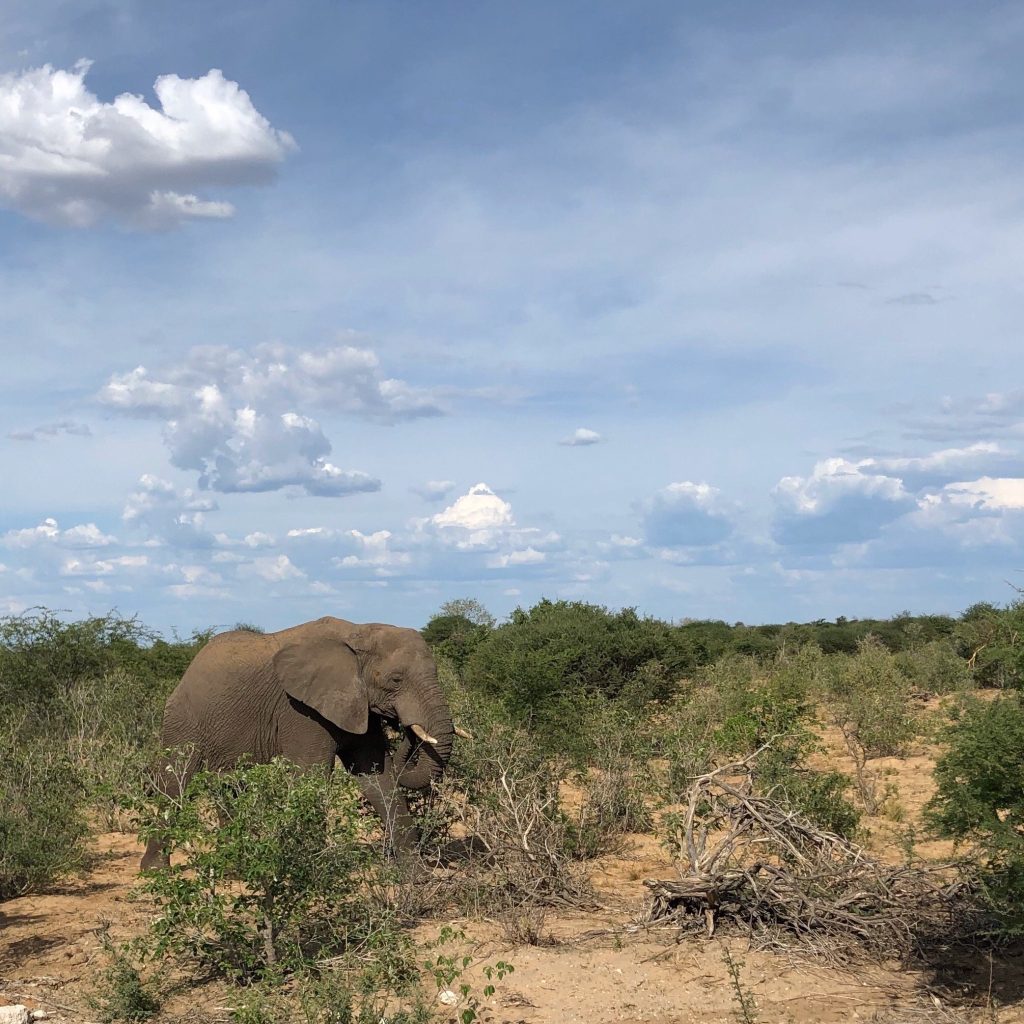
Mudumu National Park covers around 1,000 square kilometres of woodland and floodplain along the Kwando River in Namibia’s Zambezi Region, between Bwabwata to the west and Nkasa Rupara to the south. It holds elephant, buffalo, hippo, sable and roan, along with a serious birdlist, and receives very few visitors. A 4×4 is required and there are no facilities inside.
What Mudumu Is and How It Differs From Its Neighbours
The three Zambezi parks sit close together and are often mentioned in the same breath, which obscures how different they are.
Bwabwata to the west is the large one, cut through by a tarred highway and zoned to accommodate the people living in it. Nkasa Rupara to the south is swamp, flooded for much of the year and the hardest to reach. Mudumu is the middle option: mopane and teak woodland running back from a floodplain on the Kwando, drier underfoot than Nkasa Rupara and considerably quieter than Bwabwata.
The river forms the western boundary and is where the park’s life concentrates. Behind it the country rises gently into dense woodland, and the contrast between the two is what gives Mudumu its character.
It was proclaimed on the same day as its southern neighbour, days before Namibian independence, out of land that had been badly hit by poaching and uncontrolled hunting.
Wildlife on the Kwando Floodplain
Mudumu is known for buffalo, which move in large herds along the floodplain and are among the biggest concentrations in the country.
Elephant cross through in numbers as part of the wider transfrontier population moving between Botswana, Namibia, Angola and Zambia. Hippo occupy the river channels and crocodile lie along the banks, both easily seen from a boat.
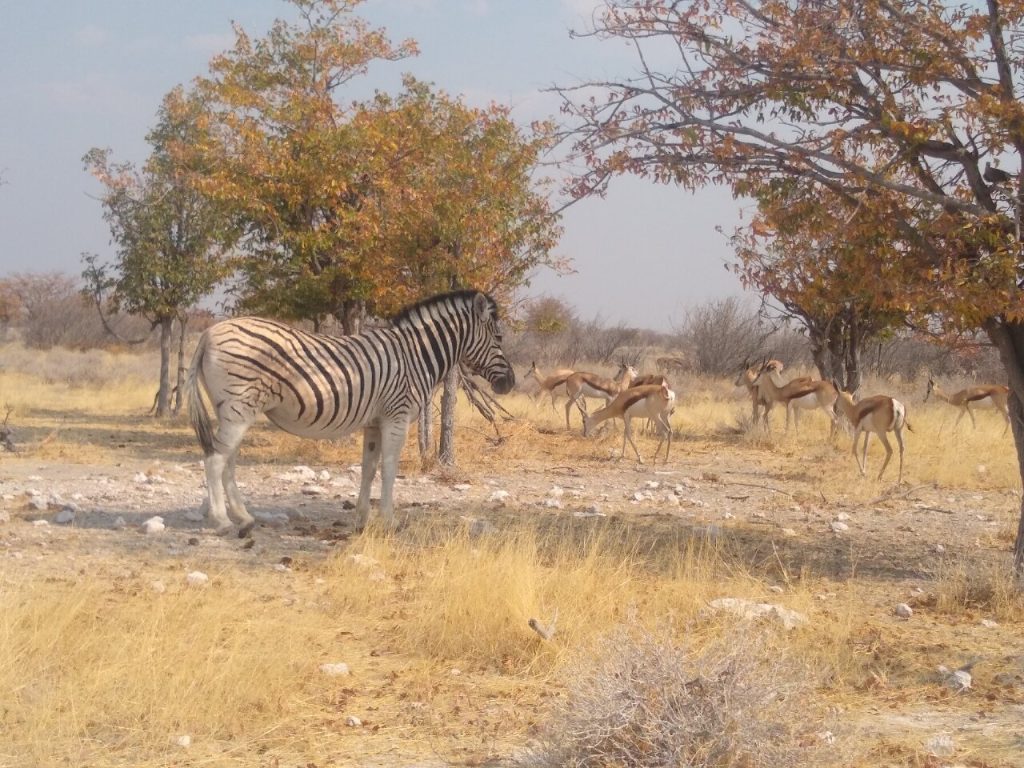
The antelope list is what makes this region worth the drive for anyone who has already done Etosha. Sable, roan and tsessebe occur here and are scarce or absent elsewhere in Namibia. Red lechwe work the wet ground on the floodplain edge and sitatunga live in the reed beds, both wetland specialists you will not find in the desert or at Etosha. Common reedbuck, kudu, impala and zebra fill out the plains game.
Predators are present without being abundant. Lion, leopard and spotted hyena occur, and African wild dog use this corridor, which makes the Zambezi parks collectively the best chance of seeing them in Namibia.
Birding in Mudumu
The park sits in the richest birding region in Namibia and shares its species with the wider Kwando and Linyanti system.
Wetland specialists are the draw: African skimmer working the channels, slaty egret, rufous bellied heron, coppery tailed coucal in the reeds and Pel’s fishing owl in the riverine trees. Wattled crane occur on the floodplains.
Carmine bee eaters nest in colonies in the river banks through the warmer months, which is among the more striking sights in this part of the country. Raptors work the woodland, and migrants arriving from around November push the counts to their annual peak.
Boat based birding on the Kwando is more productive than driving, since the channels concentrate the wetland species and you get close without disturbing them.
The Role of Fire in Mudumu
Seasonal fires are a normal part of how this park works, which surprises visitors used to thinking of fire as damage.
Burning through the dry months clears old growth, returns nutrients to the soil and triggers fresh grass shoots that draw grazing animals back onto the floodplain. Early controlled burning is part of the management programme run across the northeastern parks, alongside anti poaching work and game monitoring.
Practically, this means you may drive through blackened ground in parts of the park during the dry season. It is not neglect. The floodplains and the fires together are what keep the system productive, in the same way the annual flood does.
Community Conservancies and the Mudumu Complexes
Mudumu sits at the centre of an arrangement that is one of the more interesting things about conservation in this region.
The Mudumu North and Mudumu South complexes group the national parks together with neighbouring communal conservancies and community forests, managing them as single units rather than as separate blocks with fences between them. Stakeholders work jointly on anti poaching, fire management, game monitoring and wildlife translocations.
That matters because the animals here do not stay inside park boundaries. Elephant move across four countries, and the corridors between the parks run through land where people live and farm. The complexes exist to keep those corridors open and to give residents a stake in the wildlife rather than only the cost of living alongside it.
Lodges in the area operate as joint ventures with conservancies, and the Lizauli Traditional Village near the park offers guided visits covering local farming, fishing, music and traditional medicine.
Getting Around Inside Mudumu
This is not a park you dip into casually. Tracks are sand, sections flood in the wet season, and a 4×4 is a requirement rather than a recommendation. Travellers in ordinary rental cars attempt the main track and turn back within minutes.
There are no shops, restaurants or fuel inside the park. Bring food, water and enough fuel for the whole visit, and fill up at Kongola, which is the nearest town with supplies.
Navigation is not straightforward either, since tracks are unmarked and change with conditions. Anyone not confident on sand should book a guided drive from one of the lodges, which is the sensible option and costs far less than a recovery.
Park fees are paid on arrival or pre-paid at Ministry offices, and carrying cash matters here since card facilities are unreliable.
Where to Stay Near Mudumu
Accommodation clusters along the Kwando on the park’s western edge, mostly river lodges and camps operating with the surrounding conservancies.
Lianshulu Lodge is the established property on the river inside the park area, with boat trips, guided drives and birding. Other camps and campsites operate nearby along the river and towards Kongola.
Budget travellers can camp at community run sites for a modest nightly rate. Mid range river lodges typically run 80 to 150 US dollars per person including meals, and the more comfortable riverside properties start around 250, usually including boat cruises and drives.
Whatever you book, most visitors combine Mudumu with Nkasa Rupara to the south and Bwabwata to the west rather than treating any of the three as a standalone destination.
Best Time to Visit Mudumu
June to October is the window. Floodwater recedes, game concentrates along the river, tracks are passable and malaria risk drops to its annual low. September and October are strongest for game viewing as animals become tied to the water.
The rains from about January to March bring flooding, difficult tracks and peak malaria risk. Some sections become inaccessible. Birding is at its best in those months as migrants arrive, which is the trade birders willingly make and general visitors mostly should not.
This is the wettest part of Namibia, with rainfall several times what the interior receives, so the seasonal swing here is far more consequential than in the desert parks.
Getting to Mudumu National Park
Mudumu lies roughly 40 kilometres south of Kongola on the D3511, reached from the B8 Trans-Caprivi highway. Kongola is the last town with fuel and supplies.
From Katima Mulilo the drive west and south takes a couple of hours. From Windhoek the whole region is well over 1,200 kilometres and needs two long days, usually via Grootfontein and Rundu.
Nkasa Rupara sits about 30 kilometres further south along the same road, which is why the two are almost always visited together. Anyone driving the three Zambezi parks themselves should allow at least a week, since distances are short and road conditions make progress slow.
Mudumu National Park Questions
What does it cost to visit Mudumu?
Park entry is charged per person per day with a separate vehicle fee, historically modest at under 100 Namibian dollars per adult, though the national schedule was revised upward recently so confirm on arrival. Camping at community sites runs roughly 10 to 20 US dollars per person. Mid range river lodges sit around 80 to 150 US dollars per person including meals, with the better riverside properties from about 250 including activities. Guided drives run roughly 30 to 60 dollars. Bring cash.
Do I need a 4×4 for Mudumu?
Yes, and this is not negotiable. Tracks inside the park are sand, sections flood, and ordinary rental cars do not get far. There are no facilities, no fuel and no recovery service inside the park. If you are not comfortable with sand driving, book a guided drive from one of the river lodges instead, which is cheaper than being recovered.
What wildlife will I see at Mudumu?
Buffalo in large herds along the floodplain, elephant moving through, hippo and crocodile in the river. The antelope are the real draw: sable, roan, tsessebe, red lechwe and sitatunga, most of which occur nowhere else in Namibia. Lion, leopard, spotted hyena and African wild dog are present without being reliably seen. Birding is exceptional throughout.
How does Mudumu compare to Nkasa Rupara?
Mudumu is woodland and floodplain, drier underfoot and easier to reach. Nkasa Rupara to the south is genuine swamp, with up to 80 percent of it flooding in the rainy season and access far more difficult. The species are broadly similar. Most travellers visit both, usually basing on the Kwando and driving between them, since they sit about 30 kilometres apart.
Is Mudumu worth the long drive?
It depends what you already have. For a first Namibian trip focused on the desert and Etosha, the Zambezi Region is a very long detour. For repeat visitors, birders, and anyone wanting buffalo, sitatunga, red lechwe and wild dog, it delivers species the rest of the country cannot. It also sets up a crossing to Botswana or Victoria Falls, which is how many travellers justify the distance.
Why are parts of the park burnt?
Seasonal fires are part of how this system works and are used deliberately as a management tool. Early controlled burning clears old growth, returns nutrients to the soil and triggers fresh grass that draws grazers back onto the floodplain. Driving through blackened ground during the dry season is normal here rather than a sign of damage.
Is there malaria risk at Mudumu?
Yes, and this is one of the highest risk areas in Namibia. Risk is present year round and peaks during and just after the rains, roughly November to May. Travellers arriving from the desert and coast, where no precautions are needed, often have not considered it. Speak to a travel clinic with your specific dates, and take repellent, cover up after dark and use nets where provided.
Booking Your Namibia Trip
The safari companies and tour operators listed on this website put trips like this together for a living and know which camps, guides and routes actually deliver. We are an independent guide to Namibia; we do not book or sell tours ourselves.
When you are ready, arrange your safari, tour or holiday with one of the recognised operators listed here. Tell them your dates and what matters most, and a real person, not a form, will handle the itinerary, park bookings and logistics for you.