Keetmanshoop
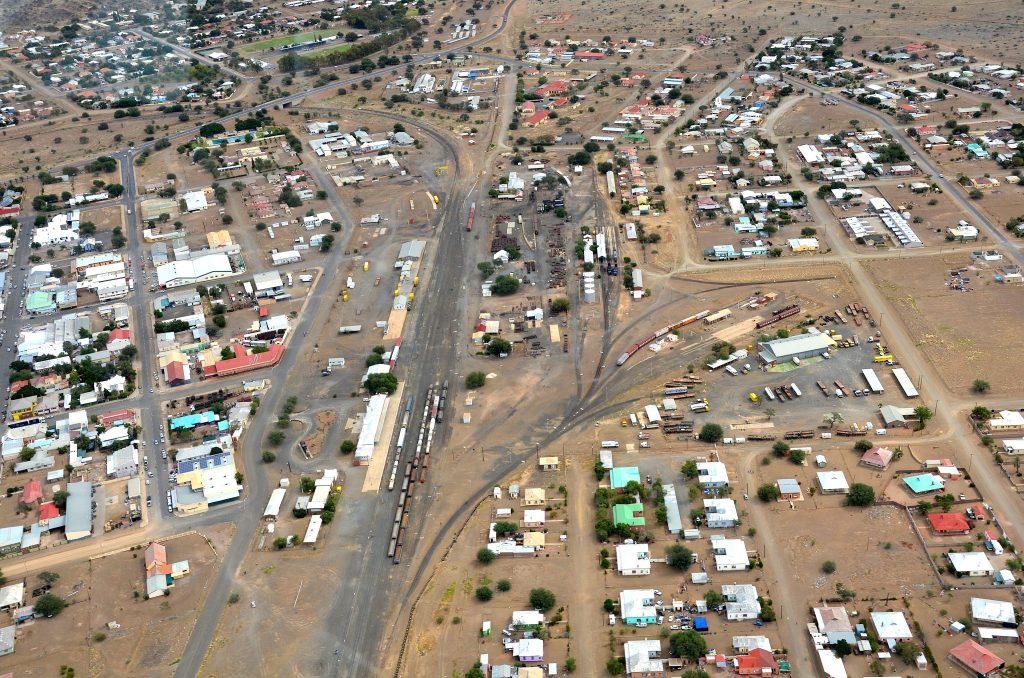
Keetmanshoop is the main town of southern Namibia and the practical base for the region, roughly 500 kilometres south of Windhoek on the B1. Visitors stop here for the Quiver Tree Forest and Giant’s Playground just outside town, the Mesosaurus fossil beds, and because it is the last place with proper shops before Fish River Canyon or Lüderitz.
Keetmanshoop as a Southern Base
Nobody comes to Namibia for Keetmanshoop and a great many people end up staying here, which is worth being straightforward about. It is a working town in the ||Karas Region rather than a destination, and its value is position.
From here Fish River Canyon is about 150 kilometres and two hours west and south, Lüderitz is 334 kilometres west on tar, and Windhoek is five hours north. That makes it the natural overnight on any southern loop, and the only place in the region with supermarkets, fuel, banks, ATMs and a spread of accommodation.
What travellers underestimate is that the attractions just outside town are genuinely good. Two nights here covers the quiver trees, the rock formations and the fossil site without rushing, and the sunsets over the dolerite are among the better ones in the country.
The Quiver Tree Forest Outside Keetmanshoop
The Quiver Tree Forest sits about 13 to 14 kilometres northeast of town on the C17, a natural stand of roughly 250 aloes growing on dolerite. It is a declared national monument and nothing was planted, which is part of why it matters.
Permits are bought at the Quivertree Forest Rest Camp reception at Gariganus Farm, and the same ticket usually covers Giant’s Playground next door. Sunrise and sunset are the times to be there, when the light turns the bark gold and the trees throw long shadows across the rock.
The trees themselves are covered in more depth on our Quiver Tree Forest page. From a Keetmanshoop planning point of view, the thing to know is that it is fifteen minutes from town and needs to be timed for the ends of the day rather than fitted in around lunch.
Giant’s Playground and the Dolerite Formations
Giant’s Playground sits on the same property as the forest, a maze of enormous dolerite boulders stacked in arrangements that look deliberate and are not. The rock was pushed up as molten intrusions and then weathered over an extremely long period into blocks that sit on one another like something abandoned mid construction.
Marked paths run through it and the maze quality is real, so stick to them. Allow one to two hours. Sturdy shoes matter, water matters more, and telling the rest camp you are going in is sensible given how empty this country is.
Late afternoon is the time, both for the light on the boulders and because the rock radiates heat all day. Quiver trees grow among the formations, which gives you both subjects in one frame.
Do Giant’s Playground in the hour or so before sunset, then drive the short distance back to the Quiver Tree Forest for golden hour. Both are on the same ticket and the same road, and that sequence gets you the best light at each without doubling back.
Mesosaurus Fossil Site and the Farm Tours
Further out along the C17 is the Mesosaurus Fossil Site, and it is the most underrated stop in the south. Fossils of Mesosaurus, a small aquatic reptile from roughly 280 million years ago, lie exposed in the rock across the farm.
They matter beyond being old. Mesosaurus fossils are found in only two places on earth, here and in South America, and that distribution was among the evidence that helped establish continental drift. Standing on a farm in southern Namibia looking at the reason we know the continents moved is a strange and good experience.
The farm runs guided tours, and the owner is well known for showing visitors the fossils, demonstrating the ringing dolerite rocks that produce musical tones when struck, and arranging sunset among the quiver trees. The property holds thousands of quiver trees of its own, considerably more than the forest itself.
The drive out takes about half an hour and is manageable in a two wheel drive.
Keetmanshoop Town, the Museum and Colonial Buildings
The town grew from a Rhenish mission station and the old mission church now houses the Keetmanshoop Museum, which covers the mission period, Nama history and local settlement. It is small and worth an hour.
Several colonial era buildings survive along the main streets, including the old post office. The town is named after a German industrialist who funded the mission and never visited, which is a fairly typical piece of colonial naming.
Beyond that, Keetmanshoop is a place to eat, refuel and sleep rather than sightsee. There are supermarkets, fuel stations, banks and a reasonable spread of restaurants and takeaways.
Naute Dam, Brukkaros and Wider Excursions
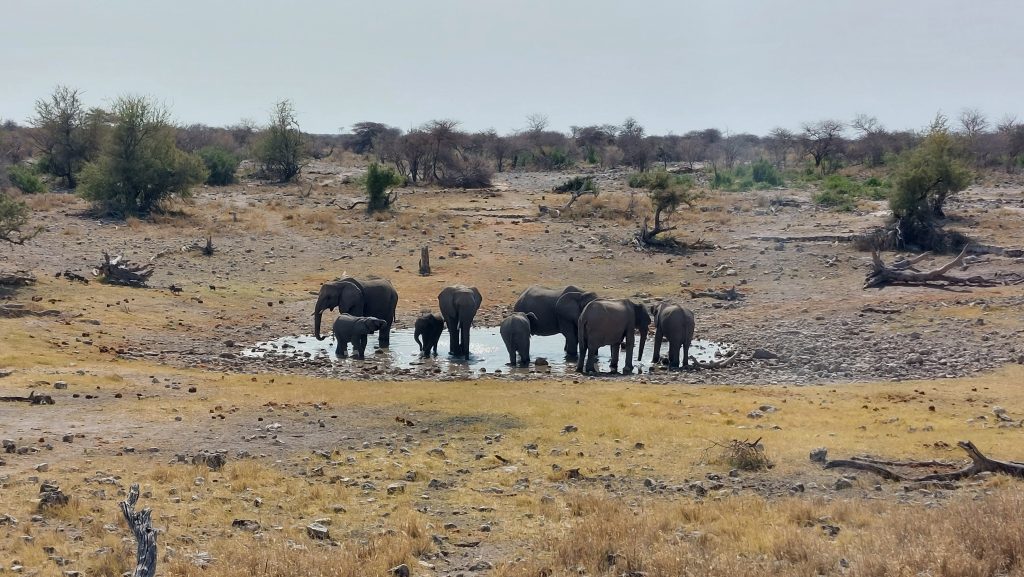
Naute Dam sits about 45 kilometres southwest and is the third largest dam in Namibia, holding water in country where that is unusual. It draws birdlife, has a recreation area and is a pleasant contrast to the surrounding dryness. A distillery on the site produces spirits from dates and prickly pear grown under irrigation.
Brukkaros Mountain to the north is an eroded volcanic crater rising sharply from the plain, with a rough track partway up and a walk to the rim beyond. The view across the southern plains from the top is enormous. It needs a high clearance vehicle and a half day.
Fish River Canyon is the main excursion, two hours away, and is genuinely a day trip from here if you would rather not move accommodation, though staying nearer the rim gives you the sunset.
Where to Stay in Keetmanshoop
Quivertree Forest Rest Camp at Gariganus Farm is the obvious choice for anyone prioritising the trees, with bungalows, guesthouses, family rooms and camping, a pool, restaurant and braai facilities. It sits right by the forest, which means you can walk out for sunrise without driving.
Mesosaurus Fossil Camp further along the C17 is quieter with chalets and camping, and suits visitors focused on the fossils and the quiver trees on that property.
In town there are hotels, guesthouses and self catering options, which are the practical choice if you are arriving late and leaving early on a long southern drive. Book ahead over holiday periods and around the September agricultural show.
Best Time to Visit Keetmanshoop
April to September is comfortable, with warm days and cold nights, and it is the right window for walking at Giant’s Playground and photographing the quiver trees without struggling in the heat.
Summer from October to March is severe in the far south, with temperatures regularly above 40 degrees, which makes the rock formations an early morning or late afternoon proposition only. The trees look the same year round, so there is no seasonal reason to come in the heat.
The town hosts a festival in July, the Quiver Tree Marathon in June and an agricultural show in September, all of which fill accommodation locally.
Getting to Keetmanshoop
Keetmanshoop sits on the B1 roughly 500 kilometres south of Windhoek, about five hours on good tar through Rehoboth and Mariental. Note that the settlements of Gibeon and Tses between Mariental and Keetmanshoop are not dependable for fuel or supplies, so fill up at Mariental.
Lüderitz is 334 kilometres west on the B4, tarred all the way. Fish River Canyon is around 150 kilometres and two hours via the B4 and the C12 and C37. The South African border at Noordoewer is a couple of hours south.
The roads out to the Quiver Tree Forest, Giant’s Playground and the fossil site are gravel and manageable in an ordinary car in dry conditions.
Keetmanshoop Travel Questions
What does it cost to visit the attractions near Keetmanshoop?
A single permit bought at Quivertree Forest Rest Camp covers both the Quiver Tree Forest and Giant’s Playground and has been quoted at roughly 110 to 130 Namibian dollars per person recently, with older sources listing around 100. The Mesosaurus Fossil Site charges separately for its guided tour. Fees have moved more than once, so confirm at reception rather than budgeting from a published figure.
How long should I stay in Keetmanshoop?
One night covers the Quiver Tree Forest and Giant’s Playground if you arrive by mid afternoon. Two nights lets you add the Mesosaurus fossil site and either Naute Dam or a day trip to Fish River Canyon without rushing. Most travellers on a southern loop find one night is enough, since the canyon itself deserves a night nearer the rim.
Is Keetmanshoop worth stopping in?
As a town, not especially. As a base, yes, and the attractions just outside it are better than its reputation suggests. The Quiver Tree Forest and Giant’s Playground are among the best photographic subjects in southern Namibia, and the Mesosaurus fossil beds are genuinely unusual. Treat the town as the place you sleep and the surroundings as the reason.
Can I visit Fish River Canyon from Keetmanshoop?
Yes, it is about 150 kilometres and two hours to Hobas and the main viewpoint, which makes a long but workable day trip. The drawback is that the canyon is at its best at sunrise and sunset, and a day trip puts you there in the middle of the day when the gorge flattens into grey rock. Staying nearer the rim for one night is the better plan if you can.
Do I need a 4×4 around Keetmanshoop?
No. The B1 and B4 are tarred and the gravel roads out to the Quiver Tree Forest, Giant’s Playground and the Mesosaurus site are fine in an ordinary car in dry conditions. Brukkaros Mountain to the north is the exception, where the track up wants higher clearance and a 4×4 is preferable.
Where can I fill up and shop in southern Namibia?
Keetmanshoop is the main answer, with supermarkets, banks, ATMs and reliable fuel. Mariental to the north is the other dependable stop. Between them, Gibeon and Tses are not recommended for fuel or supplies. Heading west, Aus has fuel before the long empty run to Lüderitz, and there is nothing worth relying on between Keetmanshoop and Fish River Canyon.
What are the Mesosaurus fossils?
Remains of a small freshwater reptile that lived around 280 million years ago, exposed in rock on a farm along the C17. Their significance is that the same fossils occur in only one other place on earth, in South America, and that distribution formed part of the evidence for continental drift. Guided tours of the site run from the farm and include the ringing dolerite rocks nearby.
Booking Your Namibia Trip
The safari companies and tour operators listed on this website put trips like this together for a living and know which camps, guides and routes actually deliver. We are an independent guide to Namibia; we do not book or sell tours ourselves.
When you are ready, arrange your safari, tour or holiday with one of the recognised operators listed here. Tell them your dates and what matters most, and a real person, not a form, will handle the itinerary, park bookings and logistics for you.