Khaudum National Park
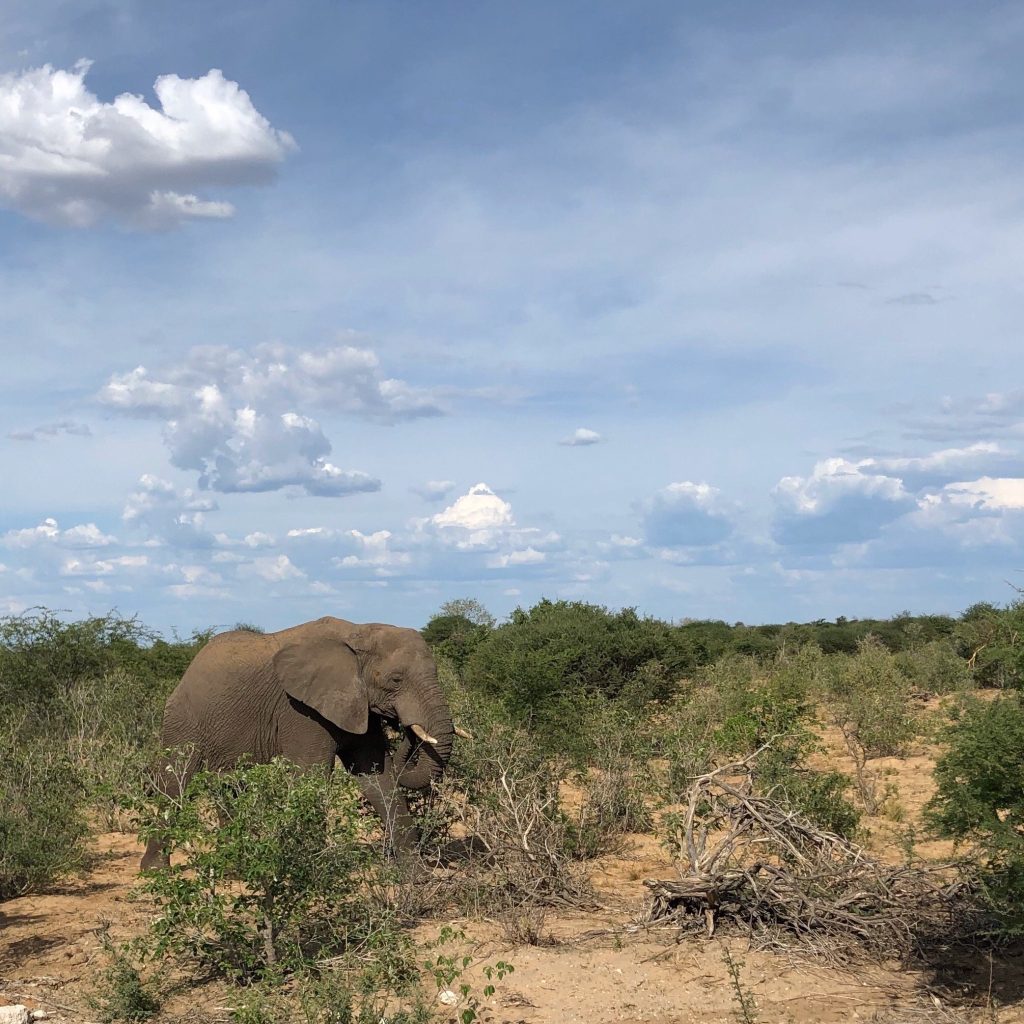
Khaudum National Park covers around 4,000 square kilometres of deep Kalahari sand on Namibia’s Botswana border and receives fewer than 3,000 visitors a year. It is rated the second most productive park in the country for wildlife after Etosha, and the entry requirement is a minimum of two 4×4 vehicles carrying three days of food and 100 litres of water each. There are no facilities.
The Requirements Before Anything Else
Khaudum is not a park you decide to visit on the morning, so the conditions come first.
Park authorities require a minimum of two 4×4 vehicles per party. The tracks are deep, loose sand that turns to mud after rain, and getting stuck is a routine occurrence rather than bad luck. Recovery gear, spare tyres and tools are needed.
Parties must be completely self sufficient. The Ministry recommends at least three days of food per person and 100 litres of water per vehicle, plus enough fuel to cross the park and get out the other side. There is no fuel, no shop and no restaurant inside.
Water is available at points inside but must be boiled or treated before drinking. Mobile coverage is very limited to non-existent, and hiring a satellite phone in Windhoek is a reasonable precaution.
The campsites are unfenced, in a park holding lion, elephant and hyena. That is the arrangement, and it is the point rather than an oversight.
If you want Khaudum without the risk, join a convoy tour with a leader rather than arranging your own second vehicle. Several operators run guided self drive trips where you take your own car but travel with a tour leader who handles park bookings, campsite selection and, crucially, recovery when someone gets stuck. That gets you the park without needing a friend with a second Land Cruiser.
What Makes It Worth the Trouble
Khaudum’s case rests on wilderness rather than sightings, though the sightings are better than its reputation suggests.
It is rated the second most productive park in Namibia for wildlife viewing after Etosha, and it receives under 3,000 visitors a year across 4,000 square kilometres. The arithmetic on that is startling: you will often have the park largely to yourself.
Elephant are the headline. Large herds move in across the Botswana border, and around the waterholes they frequently dominate completely. More elephants than people are seen here, which the Ministry states plainly.
Lion are present in good numbers and Khaudum rates among the best places in Namibia for them outside Etosha. African wild dog have one of their strongholds here, which makes this one of the better chances of seeing them in the country.
Roan antelope and tsessebe occur in healthy numbers, both scarce elsewhere. Zebra, giraffe, wildebeest, kudu, oryx and red hartebeest fill out the plains game, with cheetah, leopard and spotted hyena among the predators.
There are no rhino and no buffalo, which is worth knowing before you go.
The Omuramba and the Waterholes
The park’s structure is built around two things: fossil drainage lines and pumped water.
Omuramba are ancient dry valleys running through the Kalahari sandveld, and they act as natural routes for wildlife. Animals move along them because the going is easier and the vegetation different, which means the tracks that follow them are where you look for game.
Twelve artificial waterholes and two natural fountains supply the water, along with several game viewing hides. Much of a Khaudum visit is spent at those waterholes waiting, in the same way Etosha works, since the surrounding woodland rarely offers more than a glimpse of anything.
The woodland itself is the other half of the experience. Leadwood, false mopane, camel thorn, Zambezi teak and tamboti make up a genuine woodland rather than the thornveld the park is sometimes described as, and driving through it is slow, close and atmospheric.
An Unfenced Corridor
Khaudum is unfenced except along the Botswana border, which shapes both the wildlife and the management.
Game moves freely between the park, neighbouring communal conservancies and small scale farms, so park staff work jointly with the conservancies on wildlife management rather than treating the boundary as a limit.
The park functions as a wildlife corridor between Namibia and Botswana, and it sits within the country’s community based natural resource management programme, with local communities holding a stake in the conservation and the tourism income.
Nyae Nyae Conservancy adjoins to the south, one of the substantial San managed areas in the country, and elephant surveys treat Khaudum and Nyae Nyae as a single unit holding around 8,000 animals.
Birding in Khaudum
Over 300 species have been recorded and some counts run past 320, which makes this a serious birding destination for anyone prepared to reach it.
African fish eagle, southern ground hornbill and a range of raptors including eagles and falcons occur. Summer migrants arrive from around November, bringing storks, crakes, bitterns and orioles and pushing counts to their annual peak.
The woodland species are the draw, since the vegetation here differs from both Etosha and the Zambezi Region wetlands, giving a different list from either.
The catch is that the best birding coincides with the wet season, when the tracks turn to mud and access becomes difficult, which is a real tension for birders planning a trip.
History and the Dorsland Trek
The first Europeans known to have reached Khaudum were Boer trekkers rather than colonial officials.
The Dorsland Trekkers left the Transvaal in the eighteen seventies seeking new land in the unsettled interior and reached this country guided by Ju/’hoansi hunters. They inscribed their names in a large baobab south of the park, known as the Dorsland Boom, which still stands.
They stayed for a period before moving on to settle in southwestern Angola. The same trek is the origin of the name Dorsland, meaning thirstland, which appears across southern Namibian place names including the graves near Fish River Canyon.
The Ju/’hoansi who guided them have lived in this country for far longer, and the Nyae Nyae Conservancy south of the park is where that community now holds formal rights over land and wildlife.
Getting Into Khaudum
Two gates serve the park and both routes in are demanding.
The northern entrance at Khaudum tourist reception is reached on a sand track of around 46 kilometres branching south from the B8 between Rundu and Divundu. The southern entrance at Sikereti is reached on the D3303 gravel road from Tsumkwe.
Regulars describe the access tracks as an initiation: deeply churned loose sand between walls of bush. They are part of the experience rather than an obstacle to it.
There is a small airstrip in the park for charter flights, which is the alternative for anyone unwilling to drive.
Fuel and supplies come from towns along the B8 or from Grootfontein and Tsumkwe. Nothing at all is available closer.
Where to Stay
Accommodation inside the park is basic and that is the whole point.
Several campsites operate, mostly sited near waterholes, with toilets, showers and fire pits and little else. They are unfenced. Reservations are recommended, particularly in peak season.
Tsumkwe Lodge near the southern gate offers more comfortable accommodation and access to both the park and San cultural sites in the Nyae Nyae area. Other lodges operate outside the park boundaries.
Camping in Khaudum is what most visitors come for. Watching elephant and giraffe from a rooftop tent with no fence and no other vehicle within a very long way is the experience the park sells, and it is not available in many places.
Best Time to Visit Khaudum
May to October is the practical window. Animals stay close to the waterholes through the dry season, which makes them far easier to see, and the tracks are at their most passable.
September and October are strongest for game, with elephant concentrations at their peak as water disappears elsewhere. That coincides with Namibia’s high season and the park is still never busy.
November to April brings better birding and greener country, along with tracks that turn to mud and may become impassable. Malaria risk rises in the north during and after the rains.
Allow at least three days inside, which is also the minimum the Ministry’s supply recommendation assumes.
Khaudum National Park Questions
Do I really need two vehicles for Khaudum?
Park authorities require a minimum of two 4x4s per party and the reason is practical rather than bureaucratic. Tracks are deep loose sand that turns to mud after rain, getting stuck is routine, and there is no recovery service. Some experienced travellers argue one meticulously prepared vehicle beats a poor second one, but the rule stands. Joining a guided convoy tour is the workable alternative.
What do I need to bring?
Everything. The Ministry recommends at least three days of food per person and 100 litres of water per vehicle, plus enough fuel to cross the park and get out. There is no fuel, shop or restaurant inside. Water available in the park must be boiled or treated. Recovery gear, spare tyres and tools are needed, and a satellite phone is a reasonable precaution given the limited mobile coverage.
What wildlife is in Khaudum?
Large elephant herds moving across from Botswana, a good lion population rated among the best in Namibia outside Etosha, and African wild dog, for which this is one of the country’s strongholds. Roan antelope and tsessebe occur in healthy numbers and are scarce elsewhere. Zebra, giraffe, wildebeest, kudu and oryx fill out the plains game. There are no rhino and no buffalo.
Is Khaudum worth the effort?
For the right traveller, yes. It is rated the second most productive park in Namibia for wildlife after Etosha and receives fewer than 3,000 visitors a year across 4,000 square kilometres, so you will often have it to yourself. What it demands is genuine 4×4 experience, full self sufficiency and a willingness to camp unfenced among lion and elephant.
How do I get into the park?
Two gates. The northern entrance is reached on a sand track of around 46 kilometres branching south from the B8 between Rundu and Divundu. The southern entrance at Sikereti is reached on the D3303 gravel road from Tsumkwe. Both access tracks are deep churned sand. There is also a small airstrip for charter flights.
Are the campsites safe?
They are unfenced, in a park with lion, elephant and spotted hyena, which is the arrangement rather than an oversight. Pack all food away, take particular care after dark, and follow standard practice for unfenced camping: stay inside the tent or vehicle at night, do not walk around, and keep a torch to hand. Visitors do get predators through camp and that is part of what they came for.
When should I visit Khaudum?
May to October, with September and October strongest as elephant concentrate at the waterholes and tracks are at their most passable. The wet season from November to April gives better birding and greener country along with tracks that turn to mud and may become impassable, plus higher malaria risk. Allow at least three days inside.
Booking Your Namibia Trip
The safari companies and tour operators listed on this website put trips like this together for a living and know which camps, guides and routes actually deliver. We are an independent guide to Namibia; we do not book or sell tours ourselves.
When you are ready, arrange your safari, tour or holiday with one of the recognised operators listed here. Tell them your dates and what matters most, and a real person, not a form, will handle the itinerary, park bookings and logistics for you.