Outjo
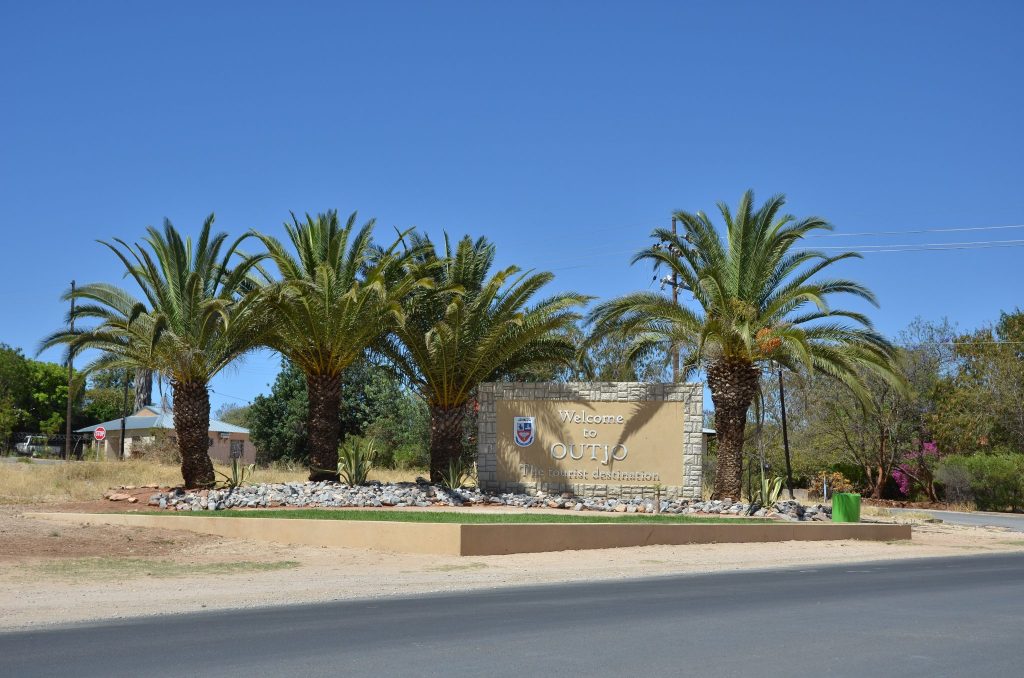
Outjo is the last fuel before Etosha’s Andersson Gate, 108 kilometres south of the park on the C38, and that single fact is why every visitor entering from the south passes through it. It is a small farming town with good bakeries, proper supermarkets and the practical services a self drive trip needs before four days without them.
The Fuel Stop That Matters
Outjo’s importance is entirely practical and it is worth stating precisely.
It is the last town with dependable fuel before Andersson Gate, the southern and busiest entrance to Etosha, which lies 108 kilometres north on the C38.
The fuel pump at Okaukuejo inside the park is unreliable and should not be planned around. Travellers who arrive at the gate low, assuming they can fill inside, put themselves in a genuinely awkward position.
Fill completely at Outjo. This is the same rule that applies at Opuwo before Kaokoland, Grootfontein before the northeast and Aus before Lüderitz.
The town also has supermarkets, banks, ATMs, pharmacies and vehicle workshops, which makes it the sensible place to provision for self catering inside Etosha and to sort anything the car needs.
Around 8,000 people live here in a farming town serving a much larger surrounding area.
Do your Etosha food shop in Outjo rather than in the park. The rest camp shops inside Etosha carry limited stock at inflated prices, and campers self catering for three or four nights will spend considerably more for less choice. Outjo’s supermarkets are properly stocked, and buying here rather than at Okaukuejo is one of the easier savings on a Namibian trip.
The Bakeries
Outjo has a reputation for its bakeries that is out of proportion to the town’s size, and it is deserved.
The German colonial legacy runs through Namibian baking, and Outjo’s bakeries produce brötchen, pastries, apple strudel and rye breads that would not be out of place in Bavaria.
This is the standard breakfast stop for travellers heading north into Etosha, and the standard first proper coffee for those coming out.
It is also worth buying bread here for the park, since the rest camp shops offer limited choice.
For a town that most people treat as a fuel stop, the bakeries are the thing that persuades travellers to spend forty minutes rather than ten.
Where Outjo Sits
The geography explains the traffic through it.
Outjo sits on the C38, around 108 kilometres south of Etosha’s Andersson Gate and roughly 70 kilometres northwest of Otjiwarongo, which puts it on the main route from Windhoek to the park’s southern entrance.
From Windhoek the run is about 430 kilometres in total via Otjiwarongo, which is around five hours on tar.
West from Outjo, roads run towards Kamanjab, Damaraland and eventually the northwest, which makes the town a junction and a supply point both.
Travellers coming from Swakopmund towards Etosha’s southern gate pass through, at around 520 kilometres and roughly seven hours, which is a long day worth breaking.
Khorixas and the Damaraland circuit lie west, and Kamanjab is the gateway to Galton Gate for the western section of Etosha.
What There Is to See
Outjo is a working town rather than a destination and it has a few things.
The Franke House Museum occupies a colonial era building and covers local history, the German period and the region.
An old water tower from the German colonial era stands in the town, built to supply the military garrison.
The town’s colonial buildings are in the same style found in Otjiwarongo, Tsumeb and Grootfontein, reflecting the same period of construction.
Craft outlets sell work from the surrounding region, and it is worth buying directly here rather than at lodge gift shops.
Beyond that, Outjo is somewhere to fuel, shop, eat and continue, which is what almost everyone does.
Ombinda and the Surrounding Farms
Accommodation clusters around the town and on the farmland surrounding it.
Guest farms and lodges operate in the country between Outjo and the Etosha gate, which is commercial farming land with substantial game.
This is the region where much of Namibia’s wildlife actually lives. Leopard densities on freehold farmland are higher than inside national parks, and around 90 percent of the country’s cheetah live on farmland rather than in protected areas.
Several properties offer game drives, walks and rock art visits at considerably lower cost than a private reserve.
Staying between Outjo and the gate is a common arrangement for travellers who could not secure rest camp accommodation inside Etosha, though it means missing the floodlit waterholes entirely.
Ongava and the other private reserves on Etosha’s southern boundary sit further north, closer to the gate.
Planning the Etosha Leg
Outjo is where the practical decisions for the park get made.
Confirm your gate. Andersson in the south suits Okaukuejo, and travellers heading for Namutoni in the east would be better going via Tsumeb rather than through Outjo.
Check gate times before you leave, since they run from sunrise to sunset and shift weekly, and you must reach your camp before closing.
Have photo identification accessible, since every visitor must show a passport, licence or ID on entry.
Carry cash for park fees, currently N$280 per international adult per day plus N$60 per vehicle, though cards are accepted.
Allow the drive from the gate to your camp on top of the 108 kilometres from Outjo, since being through the gate is not the same as being at the camp.

Kamanjab and the Western Route
The road west from Outjo opens a different half of the country and is worth knowing about.
Kamanjab lies west and is the gateway to Galton Gate, Etosha’s western entrance, which serves Dolomite Camp and Olifantsrus. That section of the park is considerably quieter than the main circuit and less visited.
Beyond Kamanjab the roads run into Damaraland proper, towards Palmwag, Twyfelfontein and the northwest. Palmwag to Galton Gate is around 181 kilometres.
That makes Outjo the decision point for travellers choosing between entering Etosha from the south and looping west into Damaraland first.
The route west also links to Khorixas and the central Damaraland circuit of Twyfelfontein, the Organ Pipes, Burnt Mountain, the Petrified Forest and Vingerklip.
Travellers driving Swakopmund to Etosha frequently break the drive in this country rather than pushing the full 520 kilometres in one day, and Kamanjab or a Damaraland lodge is where they stop.
What Not to Assume About Etosha
Outjo is the last place to correct a few expectations before the gate, and these come up repeatedly.
You cannot see the Big Five at Etosha. Four occur: elephant, lion, leopard and black rhino. Buffalo are excluded entirely on veterinary grounds, to protect Namibia’s foot and mouth disease free status for livestock export, and occur only in the Zambezi Region.
You cannot drive at night. Self driving after dark inside the park is prohibited, and you must reach your camp before gate closing at sunset.
You cannot get out of the vehicle except at designated points with fencing, and off road driving is prohibited entirely.
You cannot drive onto the pan. Only the southern rim is open to visitors and there are no roads crossing the pan itself, which surprises people expecting to drive out onto that white expanse.
And the planning speed is 25 kilometres an hour rather than the 60 limit, because you will stop constantly. Okaukuejo to Namutoni is over 100 kilometres of internal road, which is most of a day rather than a transfer.
Practical Outjo
Fuel. The last dependable supply before Andersson Gate, 108 kilometres north. The Okaukuejo pump inside the park is unreliable.
Supplies. Properly stocked supermarkets, considerably cheaper and better than the rest camp shops inside Etosha. Do your park shop here.
Food. Bakeries with a reputation beyond the town’s size, producing German style breads and pastries. The standard breakfast stop heading north.
Services. Banks, ATMs, pharmacies and vehicle workshops. The sensible place to sort anything the car needs before four days in the park.
Best Time to Visit
Outjo works year round and the timing is dictated by Etosha rather than by the town.
May to October is the dry season and the busiest period, when the road north carries most of the country’s tourist traffic heading for the park.
The rains from November to April green the surrounding farmland considerably and bring afternoon thunderstorms.
Winter nights are cold in this part of the country, dropping to single figures, which catches out visitors camping on guest farms nearby.
Malaria risk exists in the wider northern region and rises after the rains, so take advice on your specific route.
Outjo Questions
Why do I need to stop at Outjo?
Fuel. It is the last town with dependable fuel before Etosha’s Andersson Gate, 108 kilometres north on the C38, and the pump at Okaukuejo inside the park is unreliable and should not be planned around. It also has properly stocked supermarkets, banks, ATMs, pharmacies and vehicle workshops.
Should I buy food here for Etosha?
Yes. The rest camp shops inside the park carry limited stock at inflated prices, and campers self catering for three or four nights will spend considerably more for less choice. Outjo’s supermarkets are properly stocked and buying here is one of the easier savings on a Namibian trip. Buy bread from the bakeries too.
How far is Outjo from Etosha?
108 kilometres south of Andersson Gate on the C38, which is the park’s southern and busiest entrance, serving Okaukuejo. Allow the drive from the gate to your camp on top of that, since being through the gate is not the same as being at the camp, and gates close at sunset.
Is Outjo worth more than a fuel stop?
Forty minutes rather than ten. The bakeries have a reputation beyond the town’s size, producing German style breads and pastries, and they are the standard breakfast stop heading north. The Franke House Museum covers local and colonial history, and there is an old German era water tower. Beyond that it is a working farming town.
Which gate should I use from Outjo?
Andersson, in the south, which is 108 kilometres north on the C38 and serves Okaukuejo. If your first camp is Namutoni in the east, you would be better routed via Tsumeb to Von Lindequist Gate rather than through Outjo. Your gate choice and camp choice go together, since each camp sits closest to a different entrance.
Can I stay near Outjo instead of inside Etosha?
Yes, with guest farms and lodges on the farmland between the town and the gate, often at lower cost. The trade is missing the floodlit waterholes at the rest camps, which are available only to guests staying inside the park and produce black rhino most nights at Okaukuejo. That access is the main argument for persisting with inside bookings.
What is west of Outjo?
Roads run towards Kamanjab, Khorixas and the Damaraland circuit, which makes Outjo a junction and a supply point both. Kamanjab is the gateway to Galton Gate for Etosha’s quieter western section, and the Damaraland circuit takes in Twyfelfontein, the Petrified Forest and Vingerklip.
Booking Your Namibia Trip
The safari companies and tour operators listed on this website put trips like this together for a living and know which camps, guides and routes actually deliver. We are an independent guide to Namibia; we do not book or sell tours ourselves.
When you are ready, arrange your safari, tour or holiday with one of the recognised operators listed here. Tell them your dates and what matters most, and a real person, not a form, will handle the itinerary, park bookings and logistics for you.