Windhoek to Etosha Road Trip
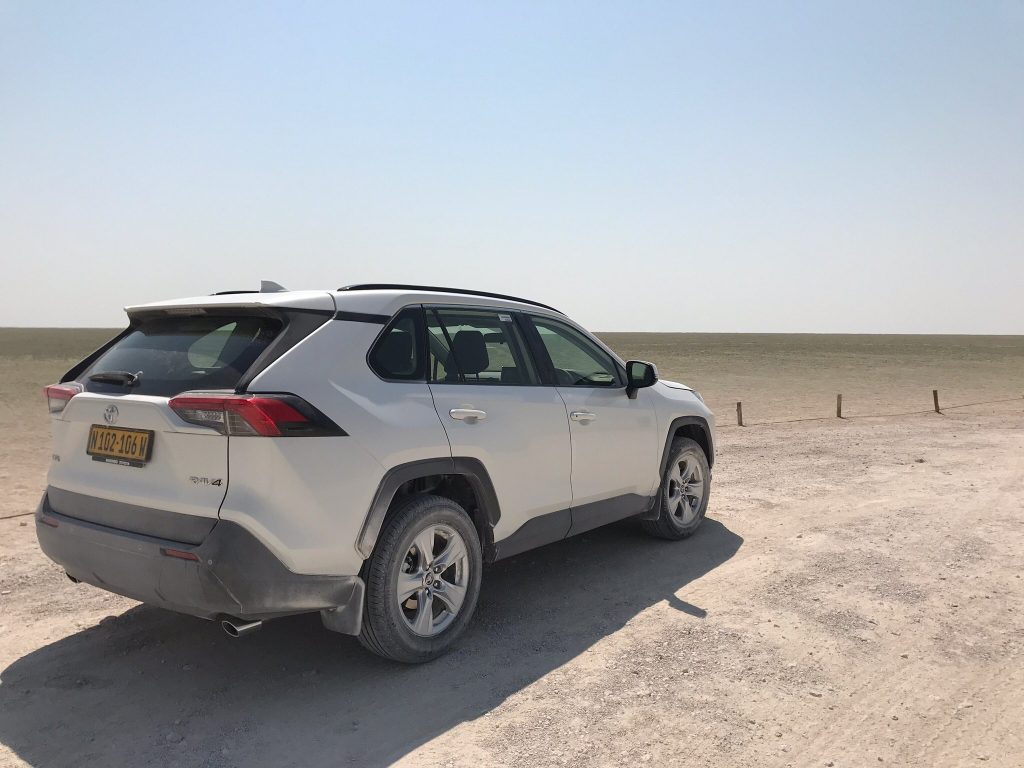
The Windhoek to Etosha road trip runs around 415 to 440 kilometres north on tar to Andersson Gate, taking four and a half to five and a half hours of driving before stops. The route follows the B1 through Okahandja, Otjiwarongo and Outjo, then the C38 to the park. It is one of the easiest drives in Namibia and works in an ordinary car.
Windhoek to Etosha Route Options and Which Gate to Use
The gate you choose decides the route, and most travellers get this backwards by picking a route and then working out where it lands them.
Andersson Gate in the south is the default and the shortest, reached via Otjiwarongo and Outjo and dropping you 17 kilometres from Okaukuejo, which is the most productive first camp in the park. Von Lindequist Gate in the east is reached via Tsumeb and adds roughly 90 kilometres and an hour and a half, putting you near Namutoni instead. Galton Gate in the west is a different drive again, reached via Kamanjab, and it is the access for Dolomite Camp in the quiet western section.
Andersson Gate. Roughly 415 to 440 kilometres via Otjiwarongo and Outjo. Four and a half to five and a half hours. Lands you at Okaukuejo. The default for anyone starting in Windhoek.
Von Lindequist Gate. Around 500 to 530 kilometres via Otjiwarongo and Tsumeb, five and a half to six and a half hours. Suits travellers basing at Namutoni or arriving from the Caprivi.
Galton Gate. West via Kamanjab, usually reached from Damaraland rather than direct from Windhoek. Restricts you to guided drives and requires a Dolomite booking.
Breaking the drive. Okonjima or Waterberg roughly halfway. Turns a five hour push into two easy legs and adds a wildlife stop rather than just a bed.
The B1 North Through Okahandja and Otjiwarongo
Leave Windhoek on the B1 western bypass and head north. Okahandja arrives after about 70 kilometres and is the first stop worth making: there is fuel, a shop and a large craft market across the road that is the best woodcarving market in the country.
From there the B1 runs north through farmland to Otjiwarongo, roughly 250 kilometres from Windhoek and about three hours in. This is the main town on the route with fuel, supermarkets, fast food and ATMs, and it is the sensible lunch stop.
The B1 is wide, tarred and in good condition throughout. Traffic is light. What catches drivers out is livestock and game near the road on unfenced sections, particularly around dawn and dusk, which is the main argument for not leaving Windhoek late.
Outjo and the Last Fuel Before Andersson Gate
At Otjiwarongo the route leaves the B1 for the C38 towards Outjo, which sits about 355 kilometres from Windhoek. This is the last real town before the park and the place to finish shopping.
Outjo has a well stocked supermarket, bakeries, restaurants and fuel, and everything you want for a few days in a rest camp is cheaper here than anywhere closer. From Outjo it is roughly 108 kilometres of tar to Andersson Gate, with a short gravel section at the end depending on which lodge or camp you are heading for.
Fill the tank at Outjo whatever the gauge says. Okaukuejo has a fuel pump inside the park and it is not dependable, so treat it as a backup rather than a plan. Running low inside Etosha with the gates about to close is a problem with no easy solution.
The Eastern Route via Tsumeb to Von Lindequist Gate
If your first booking is at Namutoni or an eastern lodge, stay on the B1 past Otjiwarongo and continue north to Tsumeb, roughly 450 to 500 kilometres from Windhoek. From there the B60 runs west about 72 kilometres to Von Lindequist Gate.
Tsumeb is a mining town with an unusually good mineral museum and it is the last fuel before the eastern gate. Otjikoto Lake sits just outside town, a sinkhole where German forces dumped weapons at the end of the First World War, and divers still recover items from it.
This route also makes sense as the exit rather than the entry, letting you drive the length of the park from Okaukuejo to Namutoni and leave east towards the Caprivi or south via Grootfontein.
Where to Break the Drive: Okonjima and Waterberg
Five hours is manageable in one go and it means arriving tired at a park where the best game viewing happens at dawn. Breaking the drive halfway is the better plan when the schedule allows.
Okonjima sits about 48 kilometres south of Otjiwarongo and 10 kilometres off the B1, roughly two and a half hours from Windhoek. It is home to the AfriCat Foundation and runs leopard and cheetah tracking with collared animals, which makes it a wildlife stop rather than a waypoint.
Waterberg Plateau is the other option, east of the B1 near Otjiwarongo, with a rest camp below sandstone cliffs and walking trails on the plateau. Both let you reach Etosha the following morning in time for gate opening, which is the whole argument for stopping.
Cheetah and Big Cat Stops Along the B1
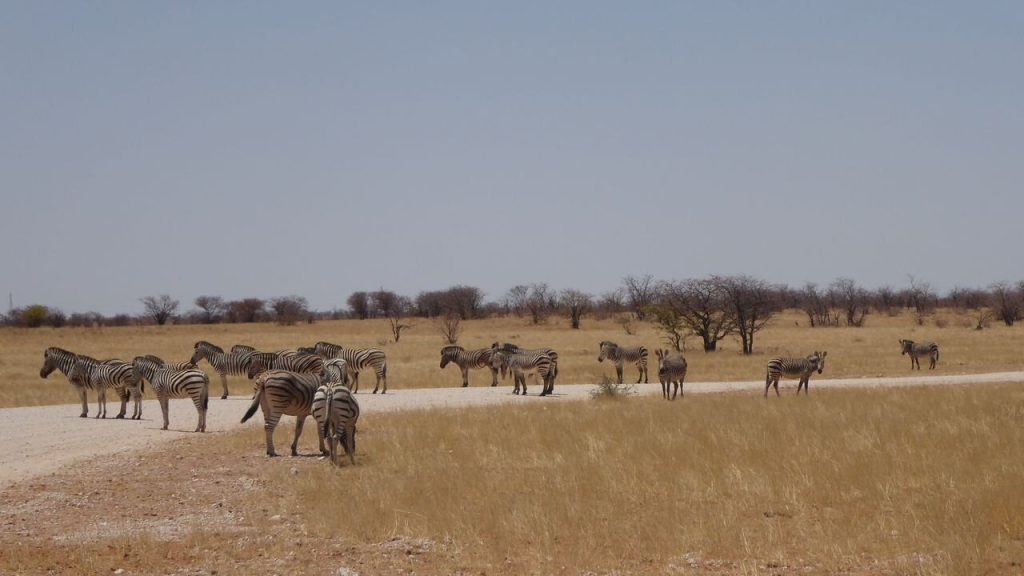
This stretch of the B1 runs through Namibia’s commercial farmland, which is also where most of the country’s cheetah live outside protected areas. Several conservation projects operate along the route and take visitors.
The Cheetah Conservation Fund near Otjiwarongo runs an education centre, a museum and feeding tours, with income supporting research into cheetah and livestock conflict. Okonjima’s AfriCat operation began as a rescue centre for cats taken off farmland.
Both work well on the return leg rather than the outbound one, since heading north you mostly want to press on and reach the park. Coming south with a flight to catch the following day, they turn a transfer into something worth doing.
Timing the Drive to Arrive at Gate Opening
Etosha’s gates open at sunrise and close at sunset, and the times shift week to week with the light. That single fact should shape how you plan this drive.
Leaving Windhoek in the morning gets you to Andersson Gate comfortably in the afternoon with time to reach camp and settle before dark. Leaving after lunch is tighter than it looks once fuel, food and photograph stops are counted, and arriving at a closed gate means finding a bed outside the park.
The stronger plan on a short trip is to sleep near Outjo or at a lodge 30 to 60 kilometres from the gate, then enter at opening the next morning. That puts you at a waterhole in the first light, which is the best game viewing window of the day and the one most travellers miss on arrival day.
Fuel, Supplies and Road Conditions
The B1 and C38 are sealed tar the whole way to the gate, with only a short gravel section depending on your accommodation. Surfaces are good and a standard two wheel drive handles the drive without difficulty in any season.
Fuel is available at Okahandja, Otjiwarongo, Outjo and Tsumeb, all with reliable stations. Attendants fill the vehicle rather than self service, and carrying cash is sensible even where cards are accepted.
Mobile coverage is good along the B1 corridor by Namibian standards, which is not true of most routes in this country. It thins out inside the park.
Best Time for the Windhoek to Etosha Drive
The road works year round since it is tarred throughout, so the season question is about what waits at the other end rather than the drive itself. May to October is the dry season, when Etosha’s animals concentrate at waterholes, with July through September strongest.
Green season driving from November to April is straightforward on this route, though summer afternoon storms can reduce visibility sharply for short periods. Winter mornings on the B1 are cold enough for a jacket, and dawn is when game is most likely on the road near the park boundary.
Vehicle Choice and Entry Requirements
An ordinary saloon manages this drive and the main Etosha circuit comfortably in the dry months. A 4×4 gives clearance and a better sightline over the grass inside the park, which is why most travellers hire one for the wider trip rather than for this leg alone.
Vehicles are collected at Hosea Kutako International Airport, 40 kilometres east of Windhoek, or at depots in the city. Entry rules changed recently and much published advice is out of date: Namibia withdrew visa free entry for many European, North American and Australasian passports, so travellers from those countries now need a visa on arrival or a holiday visa arranged online beforehand. Photo identification is also required at the Etosha gate itself, so keep a passport or licence within reach rather than packed away.
Windhoek to Etosha Drive Questions
How long does the drive from Windhoek to Etosha take?
Four and a half to five and a half hours of driving to Andersson Gate, or six and a half to seven hours realistically once fuel, lunch and photograph stops are included. The eastern route to Von Lindequist Gate via Tsumeb adds roughly an hour and a half. Add more time again if you are collecting a vehicle at the airport on the same morning, since the handover and the drive into town both eat into the day.
What does the drive cost?
Fuel for the one way trip in a standard vehicle typically runs somewhere around 500 to 800 Namibian dollars depending on the vehicle and current pump prices. There are no tolls on this route. Park fees at the gate were revised upward recently and now likely sit in the region of 200 to 280 Namibian dollars per international adult per day, with a vehicle charge on top, so confirm at the gate rather than budgeting from an older figure.
Do I need a 4×4 for the Windhoek to Etosha drive?
No. The B1 and C38 are tarred the whole way and a standard two wheel drive with reasonable tyres is fine, in the dry season and in the rains. A 4×4 is only worth having for the wider trip, particularly if it includes Sossusvlei’s sandy section or Damaraland tracks. Inside Etosha the roads are graded gravel that ordinary cars handle without trouble.
Can I drive from Windhoek to Etosha in one day?
Yes comfortably, provided you leave in the morning. The difficulty is that you arrive in the afternoon, reach camp near sunset and miss the dawn game viewing entirely on your first day. Many travellers prefer breaking the drive at Okonjima or Waterberg, or sleeping near Outjo, and entering at gate opening the following morning instead.
Where should I stop on the way to Etosha?
Okahandja for the craft market about an hour out, Otjiwarongo for lunch and fuel roughly three hours in, and Outjo for final shopping and the last dependable fuel. For an overnight break, Okonjima with its big cat tracking or Waterberg Plateau both sit roughly halfway and turn the transfer into a proper stop.
Is it safe to drive to Etosha at night?
No, and this is the one firm rule on the route. Namibian roads are unlit, kudu and livestock cross regularly after dark on unfenced sections, and most rental insurance excludes accidents at night. Plan to arrive before sunset. Driving inside Etosha after gate closing is prohibited outright and carries heavy fines.
Which Etosha gate should I use from Windhoek?
Andersson Gate for most travellers, since it is the shortest route, passes through the best towns for fuel and supplies, and puts you at Okaukuejo with its floodlit waterhole. Use Von Lindequist via Tsumeb if your first booking is at Namutoni or an eastern lodge, or if you are looping through from the northeast. Galton in the west is really a Damaraland entry rather than a Windhoek one.
Booking Your Namibia Trip
The safari companies and tour operators listed on this website put trips like this together for a living and know which camps, guides and routes actually deliver. We are an independent guide to Namibia; we do not book or sell tours ourselves.
When you are ready, arrange your safari, tour or holiday with one of the recognised operators listed here. Tell them your dates and what matters most, and a real person, not a form, will handle the itinerary, park bookings and logistics for you.