Katutura and Township Tours
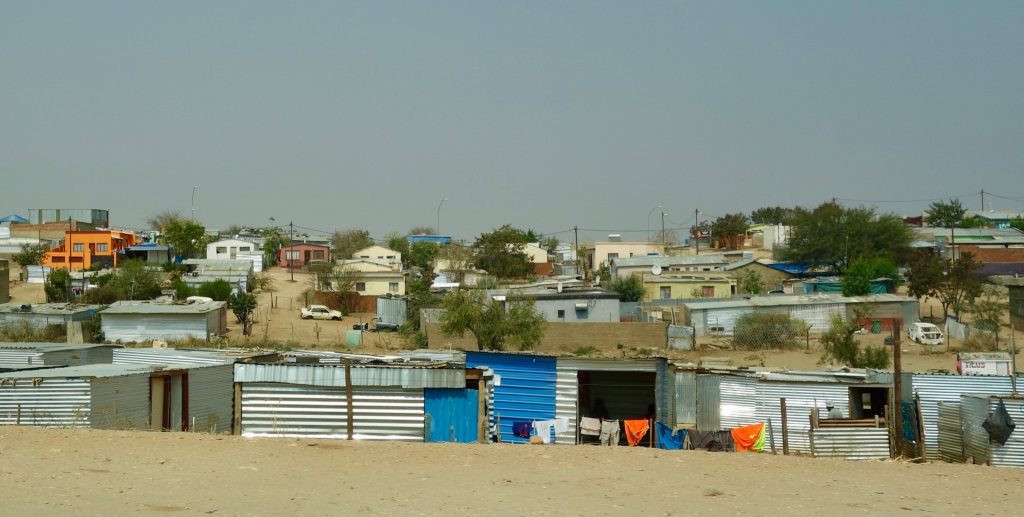
Katutura was created by forced removal and its name says so. It is frequently translated as the place where we do not want to live, which is what the people relocated there called it. Most of Windhoek‘s population lives in it, and a three hour tour is the most useful thing a visitor can do in the capital.
How Katutura Was Made
The history is recent enough to be within living memory and it explains the name.
Black residents of Windhoek lived in an area now called the Old Location. During the apartheid period, under South African administration, they were relocated to a new settlement north of the city.
The move was resisted. The name Katutura is frequently translated as the place where we do not want to live, or the place where we have no permanent home, which records what the residents thought of it.
The relocation was part of the same system of racial classification, pass laws and forced removal applied across South Africa and extended to Namibia during the occupation.
The settlement was laid out on ethnic lines, with separate sections for different groups, which was deliberate policy rather than accident.
Today it holds the majority of Windhoek’s population and has grown far beyond its original boundaries.
Go with a guide the first time, and preferably one from Katutura. This is not about safety so much as about not knowing how anything works. Arriving alone at a market where kapana is sold by weight, or at a shebeen, without knowing the rhythm of the place is awkward for everyone. A guide turns three hours of uncertainty into the most interesting part of a Windhoek stay.
What a Tour Covers
Township tours run from central Windhoek and follow a broadly similar route.
They typically last around three hours and take in the Old Location, from which residents were removed, along with community markets, social enterprises and residential areas.
Oshetu Community Market, formerly Single Quarters, is the food destination and the centrepiece of most tours.
Penduka, a women’s social enterprise producing handmade crafts alongside skills training, is included on several tours and sells directly.
Shebeens, the small neighbourhood bars, are central to Namibian social life, and some sit on high ground with views across the township.
Guides explain the layout, the history and how the area functions now, which is the part that is unavailable from a guidebook.
Kapana
The reason to go hungry is the food, and it is what Namibians actually eat.
Kapana is beef cut thin and grilled fast over open coals at market stalls, sold by weight and eaten standing up with your fingers.
It comes with a chilli and spice mix you dip into, along with salt, and sometimes a tomato and onion relish or a piece of bread.
Oshetu Community Market in Katutura is the place to eat it. The stalls work in a rhythm that takes a moment to read: you point, they cut, you eat.
It costs very little, and it is the most interesting hour of food in the capital by a wide margin.
Going with a guide the first time removes the awkwardness of not knowing how the ordering works, which is the main barrier for visitors.
Doing It Responsibly
Township tourism raises fair questions and they are worth asking before booking.
Ask who owns the operation and whether guides are from the community. Tours run by Katutura residents keep the money and the interpretation in local hands; tours run from outside do neither as well.
Ask before photographing anyone and accept refusal without argument. People going about ordinary business in their own neighbourhood are not an attraction, and photographing from a moving vehicle is the version that causes most offence.
Buy something. Craft outlets, markets and food stalls are where a tour puts money directly into the community rather than only into an operator’s margin.
Be wary of anything framed as observing poverty. The good tours are about how a place works, its history and its social life, not about looking at hardship.
Behave as you would in any residential neighbourhood, because that is what it is.
Why It Is Worth Doing
The case is specific rather than sentimental.
Namibia is the second least densely populated country on earth and a standard itinerary spends most of its time in places with almost nobody in them. That produces an accurate impression of the country’s emptiness and a badly incomplete one of its people.
Most Namibians do not live in lodges, on farms or in conservancies. They live in urban settlements like this one.
The history is also unavoidable here in a way it is not elsewhere. Katutura exists because of a forced removal under apartheid, which is the same system that governed Namibia until 1990.
Windhoek’s Independence Memorial Museum and Genocide Memorial cover the colonial period and the liberation war. Katutura shows what the occupation looked like in daily life and what followed it.
For travellers with one day in the capital, this is the more useful half of it.
Fitting It Into Windhoek
A single day. City centre landmarks and the Independence Memorial Museum in the morning, Katutura in the afternoon, rooftop drinks at sunset.
At the end of a trip. Better than the start, since you will understand what you are looking at after three weeks in the country rather than after an overnight flight.
With the museums. The Independence Memorial and National Museum sit next to each other in the centre and cover the history Katutura demonstrates.
Craft buying. Penduka in Katutura and the Namibia Craft Centre in the centre both sell directly from makers rather than through a gift shop margin.
The Old Location
The place people were moved from is part of most tours and it carries its own memorial.
The Old Location was the settlement in Windhoek where black residents lived before the removals, and it sits closer to the city centre than Katutura does.
Resistance to the relocation came to a head in December 1959, when police opened fire on residents protesting against the move. People were killed and many more injured.
The date is commemorated in Namibia and the events are treated as a turning point in the growth of the independence movement, since the removal and the shooting hardened opposition to the administration.
A memorial and cemetery mark the site, and guides include it precisely because it explains why Katutura carries the name it does.
Visitors who see Katutura without the Old Location get the settlement without the reason for it, which is why the two belong on the same tour.
Beyond Windhoek
Katutura is the best known Namibian township and not the only one.
Mondesa in Swakopmund serves the same function on the coast, created under the same policy, and township tours operate there covering markets, a traditional healer, local food and community projects.
Kuisebmond in Walvis Bay is the equivalent in the harbour town.
Tours in Swakopmund frequently pair a Mondesa visit with the town’s German colonial architecture, which makes the contrast between the two halves of the same settlement unavoidable and is the point.
The pattern repeats across Namibian towns, since the same racial planning applied nationally during the occupation, and most towns of any size have a formerly designated area on their edge.
For travellers not spending a day in Windhoek, the Swakopmund version covers similar ground and fits into a coastal stay more easily.
Practical Notes
The arrangements are straightforward.
Tours are booked through operators in Windhoek, with pick up from central accommodation, and typically run around three hours.
Carry cash in Namibian dollars for kapana, crafts and anything at the markets, since cards are not usable at stalls.
Dress modestly, as you would in any Namibian town away from the tourist areas.
Do not walk in Katutura alone after dark, which is ordinary urban precaution rather than a comment on the area. The same applies to central Windhoek.
Windhoek crime is mostly opportunistic, meaning pickpocketing and theft from vehicles rather than violent confrontation, and normal precautions handle it.
Some guides speak Oshiwambo, Otjiherero or Khoekhoegowab alongside English and Afrikaans, which changes the quality of interactions considerably.
Katutura Questions
What does Katutura mean?
It is frequently translated as the place where we do not want to live, or the place where we have no permanent home. The name records what residents thought of the relocation, since Katutura was created during the apartheid period when black residents of Windhoek were forcibly removed from the area now called the Old Location and resettled north of the city.
Is it safe to visit?
Yes, with ordinary urban precautions and preferably with a guide for a first visit. That is less about safety than about not knowing how things work, since arriving alone at a market where kapana is sold by weight is awkward for everyone. Do not walk alone after dark, which applies to central Windhoek equally. Crime is mostly opportunistic.
What does a township tour include?
Around three hours covering the Old Location from which residents were removed, community markets, social enterprises and residential areas. Oshetu Community Market, formerly Single Quarters, is the centrepiece and where kapana is grilled and sold. Penduka, a women’s social enterprise producing crafts alongside skills training, features on several tours.
How do I make sure it is done well?
Ask who owns the operation and whether guides come from the community, since tours run by Katutura residents keep both the money and the interpretation in local hands. Ask before photographing anyone and never shoot from a moving vehicle. Buy something at markets and craft outlets. Be wary of anything framed as observing poverty rather than explaining how a place works.
What is kapana?
Beef cut thin and grilled fast over open coals at market stalls, sold by weight and eaten standing up with your fingers, dipped in a chilli and spice mix with salt. Oshetu Community Market is the place. It costs very little and is what Namibians actually eat rather than a tourist product. Going with a guide the first time removes the ordering awkwardness.
Why bother if I came for wildlife?
Because a standard Namibian itinerary spends its time in places with almost nobody in them, which gives an accurate impression of the country’s emptiness and a badly incomplete one of its people. Most Namibians live in urban settlements like this one rather than in lodges, on farms or in conservancies. For travellers with one day in the capital, this is the more useful half of it.
When should I do it?
At the end of a trip rather than the start, since you will understand what you are looking at after three weeks in the country rather than after an overnight flight. Pair it with the Independence Memorial Museum and Genocide Memorial in the city centre, which cover the colonial period and liberation war that Katutura demonstrates in daily life.
Booking Your Namibia Trip
The safari companies and tour operators listed on this website put trips like this together for a living and know which camps, guides and routes actually deliver. We are an independent guide to Namibia; we do not book or sell tours ourselves.
When you are ready, arrange your safari, tour or holiday with one of the recognised operators listed here. Tell them your dates and what matters most, and a real person, not a form, will handle the itinerary, park bookings and logistics for you.