Okonjima Nature Reserve
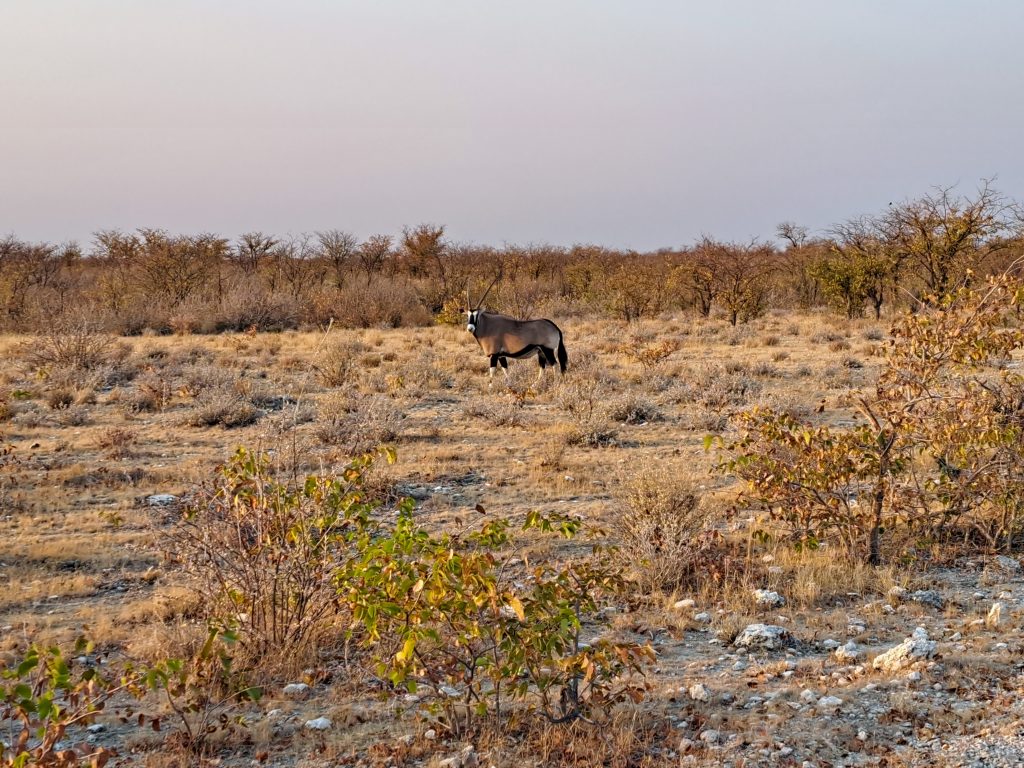
Okonjima is a 220 square kilometre private reserve south of Otjiwarongo in central Namibia, home of the AfriCat Foundation and the country’s longest running leopard monitoring project. Guided tracking with collared cats gives sighting odds no national park can match. Accommodation runs from campsites to a private villa, and it sits conveniently halfway between Windhoek and Etosha.
Leopard Tracking at Okonjima
This is what people come for and it works differently from a game drive. Guides use radio telemetry to locate collared leopard, then take you to them, which turns a species most safari travellers never see into a realistic sighting on a two night stay.
The reserve holds leopard at high density across undulating acacia bush, rocky outcrops and riverine thicket, and three decades of monitoring have produced detailed knowledge of individual animals and their patterns. Guides know which cat is where and how it behaves.
Sightings are strong rather than guaranteed. Vegetation thickens in the rainy season from January and tracking becomes harder. A minimum two night stay is the reserve’s own recommendation and it is sound, since it gives you two tracking cycles rather than one.
Brown hyena tracking runs on the same basis and is a genuinely unusual activity, since brown hyena are seen rarely almost everywhere else.
The AfriCat Foundation and Carnivore Conservation
AfriCat was set up on this farm to address a specific Namibian problem: most of the country’s large carnivores live on commercial farmland rather than in parks, and farmers were shooting them.
The foundation began by rescuing and rehabilitating cats removed from farms, and its emphasis has since shifted towards research, monitoring and education on free ranging animals. It runs one of Namibia’s longest leopard monitoring projects and works on human wildlife conflict with surrounding landowners.
The AfriCat Carnivore Care Centre can be visited and cares for animals that cannot be released. The conservation messaging here is substantial rather than decorative, and a stay contributes directly to the work.
Okonjima is fenced and the cats you track are collared, which is precisely why sightings are reliable. Some travellers find that diminishes the experience and others count it as the reason to come. It is worth deciding which camp you are in before booking rather than arriving expecting an open system like Etosha.
Pangolin Research and Night Activities
The AfriCat Pangolin Research Project is among a very small number of programmes worldwide studying free roaming pangolins, and Okonjima is one of the few places a visitor has any realistic chance of seeing one.
Pangolin tracking is offered subject to availability and conservation requirements rather than as a standard booking, since the animals are strictly protected and the world’s most trafficked mammal. Sightings depend on soil conditions and season, with softer ground after rain improving the odds.
Night drives cover the reserve’s nocturnal residents more broadly: aardwolf, honey badger, porcupine, genet, African wild cat and bat eared fox. There is a night hide at the camps. Guided bush walks run in daylight and cover tracking, plants and the smaller residents that drives pass by.
Wildlife Beyond the Big Cats
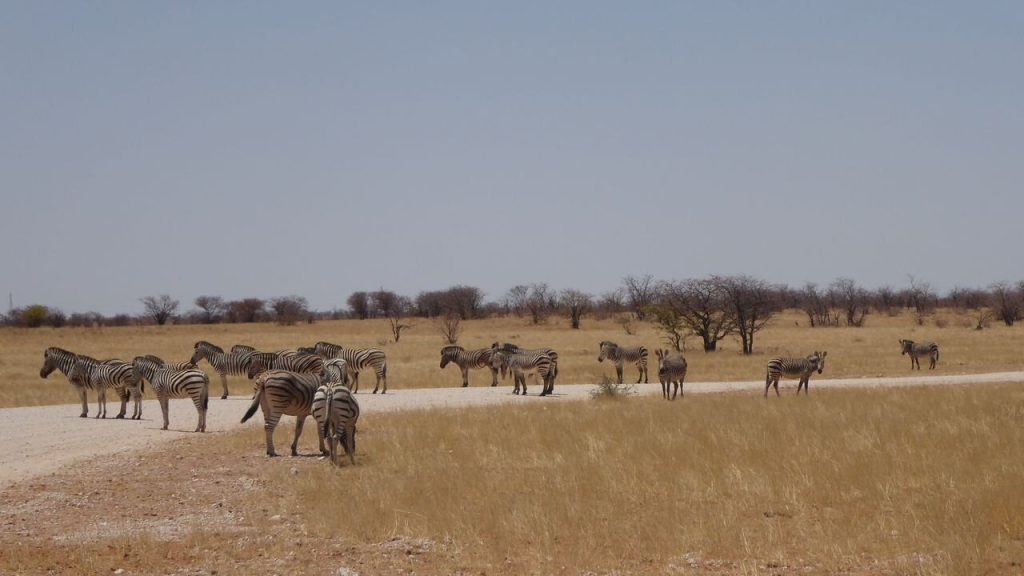
The reserve holds a solid plains game population alongside its predators: giraffe, zebra, kudu, eland, oryx, hartebeest, warthog and various smaller antelope, along with jackal, aardwolf and honey badger.
Over 300 bird species have been recorded across the acacia bush and rocky ground, with raptors prominent against the clear winter skies and migrants swelling numbers in summer.
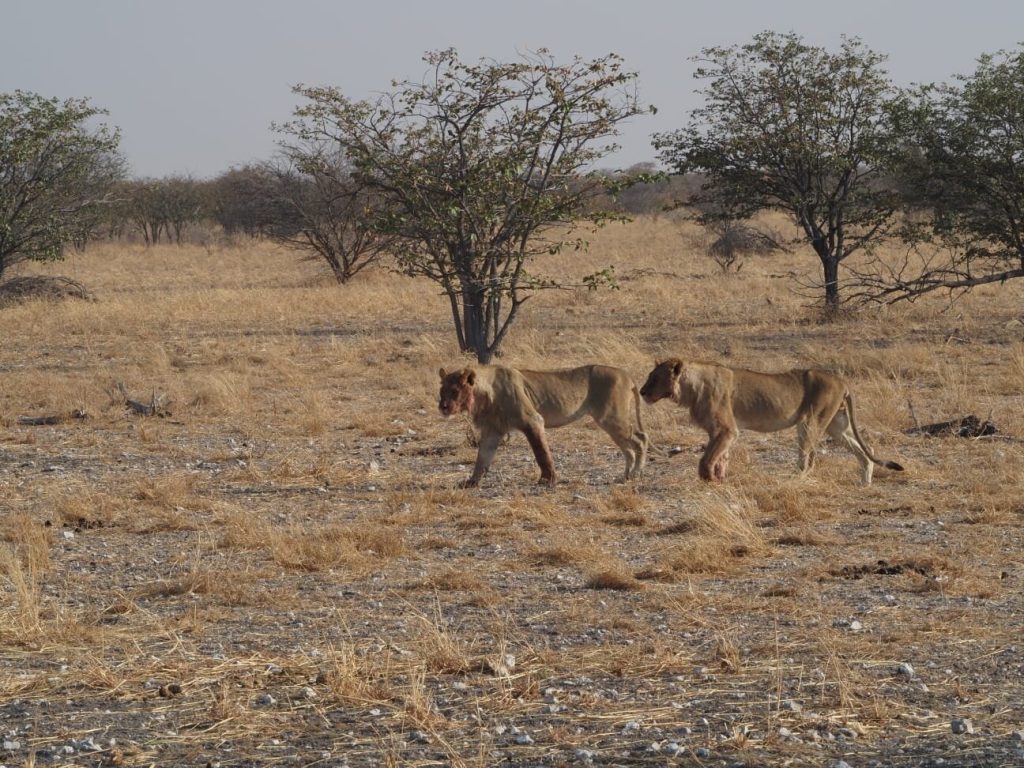
What Okonjima does not have is elephant, rhino or buffalo, and lion are not part of the picture in the way they are at Ongava or Erindi. This is a cat reserve, and a leopard and cheetah one at that. Travellers arriving expecting a broad Big Five experience will be looking in the wrong place.
Walking Trails and the Bushman Trail
Okonjima is one of the few reserves in Namibia where guests walk regularly rather than only ride, and the fenced section around the camps is the reason. With most large predators excluded from that 20 square kilometre area, walking is permitted without an armed escort in places where it would be unthinkable elsewhere.
Marked hiking trails run through the acacia bush and up into the rocky outcrops, and they can be walked unguided from the camps. The views back across the plains from the higher ground are worth the climb, particularly in the early morning.
The Bushman Trail is the guided version and covers San tracking knowledge, bush food, medicinal plants and traditional technology, led by guides who grew up with it. It runs as a shorter interpretive walk rather than a long hike and consistently rates among the better activities on the reserve.
Guided bush walks with a ranger cover tracking and the smaller residents that game drives pass by, which after two days of vehicle based tracking is a welcome change of pace.
The Reserve’s History and the Hanssen Family
Okonjima began as a cattle farm and became a guest farm before turning into what it is now, and that trajectory is common across central Namibia. What makes this one different is what the family did next.
The Hanssen family established the AfriCat Foundation on the property to deal with the carnivores that farming here inevitably brought them into conflict with, and over three decades the operation shifted from cattle to conservation. The original farmhouse became the first lodge, Okonjima Main Camp, which was later replaced by Plains Camp.
The reserve grew as land was added and cattle removed, reaching the 220 square kilometres it now covers across the Omboroko Mountains and the plains below them. It remains family owned and run.
That history is not decorative background. It explains why the conservation focus here is carnivores rather than general game, why the research emphasis is on human wildlife conflict, and why the guiding is noticeably better informed than at properties where the science is outsourced.
Where to Stay at Okonjima
The accommodation range here is wider than at most private reserves, which is one of its strengths.
Omboroko Campsite. Five private pitches in a 2,000 hectare section, sharing a pool at the foot of the Omboroko Mountains. Self catering, well kept, and the cheapest way to access the tracking activities.
Plains Camp. Ten classic rooms and fourteen larger view rooms overlooking a waterhole. Relaxed and the most popular mid range choice. Family friendly and open to all ages.
Luxury Bush Camp. Nine secluded chalets in the bushveld, aimed at couples. Note that a minimum age applies here, usually around twelve.
Bush Suite and African Villa. Private two bedroom and villa options with a dedicated guide, chef and vehicle. The exclusive use end and priced accordingly.
The camps sit within a fenced 20 square kilometre section of the wider reserve where most large predators have been excluded, which is why guests can walk around the lodges unescorted. Antelope, warthog and giraffe move through that area freely.
Okonjima as a Stop Between Windhoek and Etosha
Position is a large part of the appeal. Okonjima sits about 48 kilometres south of Otjiwarongo and roughly ten kilometres off the B1, which puts it two and a half to three and a half hours from Windhoek and around two hours short of Etosha’s Andersson Gate.
That makes it the natural break on a drive north, converting a five hour push into two comfortable legs while adding a genuine wildlife stop rather than just a bed. It works equally well southbound at the end of a trip, removing the pressure of an airport dash on the final morning.
Day visits are limited, so this is an overnight destination rather than a roadside stop. Two nights is the sensible booking.
Best Time to Visit Okonjima
The dry months from about May to September give the strongest tracking conditions. Vegetation thins, animals concentrate near waterholes, and visibility improves considerably. August is the driest and the peak for reliable sightings, with predators gathering at water through the day.
Winter nights and early morning drives are cold, and the camps have heated pools for a reason.
The rainy season from January brings thick green growth across the reserve, which makes leopard tracking noticeably harder while improving the photography and the birding, with migrants present in numbers. Pangolin sightings improve after rain as soils soften.
Getting to Okonjima
Okonjima lies just off the B1 between Windhoek and Otjiwarongo, roughly 250 kilometres north of the capital, with the turnoff clearly signposted and about ten kilometres of gravel access.
The gravel is manageable in a two wheel drive, though higher clearance is more comfortable. From Etosha’s Andersson Gate the drive south takes around two hours.
There is an airstrip for charter flights, which some guests use when combining Okonjima with fly in stops elsewhere in the country. Most arrive by road as part of a self drive circuit.
Okonjima Nature Reserve Questions
What does a stay at Okonjima cost?
Camping at Omboroko has run around 20 to 30 US dollars per person per night with basic shared facilities. Plains Camp typically falls between 120 and 200 US dollars per person including meals and some activities. The Bush Suite and African Villa run from roughly 400 up to 1,000 per person with private guide, chef and vehicle. Guided leopard tracking drives cost around 40 to 60 US dollars per person where not included in the package, and reserve fees are built into the stay.
Will I definitely see a leopard at Okonjima?
Sighting odds are far better than anywhere else in Namibia because the cats are collared and guides track them by radio telemetry, but nothing is guaranteed. The reserve recommends a minimum two night stay, which gives two tracking cycles rather than one, and that recommendation is sound. Sightings become harder in the rainy season from January when vegetation thickens.
Is Okonjima a zoo or a wild reserve?
A fenced private nature reserve of 220 square kilometres where the animals are free ranging rather than captive. The distinction that matters is that leopard are wild but collared for research, which is what makes tracking reliable. The AfriCat Carnivore Care Centre separately houses animals that cannot be released. Some travellers value the reliability and others prefer an open system, so it is worth knowing which you are booking.
How long should I stay at Okonjima?
Two nights, which the reserve itself recommends and which allows both a morning and an evening tracking activity. One night gives a single cycle and leaves the sighting to chance. Three nights suits anyone wanting to add pangolin or brown hyena tracking, the Carnivore Care Centre and the walking trails without rushing.
Do I need a 4×4 to reach Okonjima?
No. The B1 is tarred and the roughly ten kilometre access road is gravel that a two wheel drive handles comfortably, though higher clearance is more pleasant. Once on the reserve, all activities are in guided vehicles, so your own car stays at the lodge.
Is Okonjima good for children?
Plains Camp and the campsites take all ages and work well for families. The Luxury Bush Camp sets a minimum age of around twelve. Tracking drives involve sitting quietly for extended periods, which suits older children better than young ones. The absence of elephant, rhino and lion means it is a specialist stop rather than a broad game viewing one.
Can I visit Okonjima for the day?
Day visits are limited and the reserve is really set up for overnight guests, since the tracking activities run in the early morning and late afternoon when day visitors would not be present. Given it sits a short detour off the B1 between Windhoek and Etosha, building in a night rather than attempting a day stop is the better plan.
Booking Your Namibia Trip
The safari companies and tour operators listed on this website put trips like this together for a living and know which camps, guides and routes actually deliver. We are an independent guide to Namibia; we do not book or sell tours ourselves.
When you are ready, arrange your safari, tour or holiday with one of the recognised operators listed here. Tell them your dates and what matters most, and a real person, not a form, will handle the itinerary, park bookings and logistics for you.