Erindi Private Game Reserve
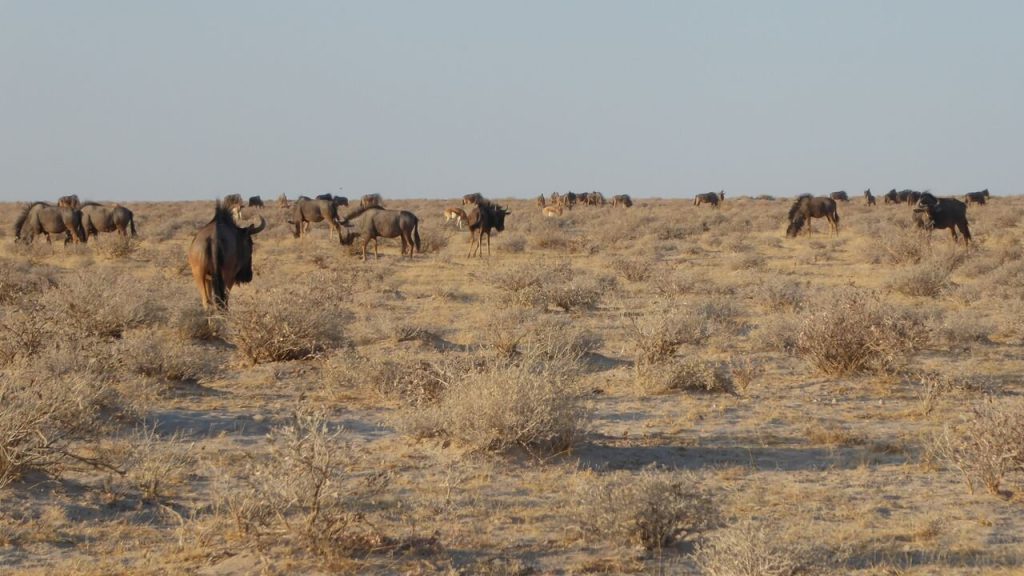
Erindi is one of the largest privately owned game reserves in Namibia, covering around 70,000 hectares of central bushveld between Windhoek and Swakopmund. It carries an unusually high game density including lion, leopard, cheetah, wild dog, elephant and both rhino species, in a malaria free area three hours from either city. Access is only through its own lodges, and their operating status has changed in recent times.
Check the Current Position Before Planning Around Erindi
This needs saying first because it affects whether the reserve belongs in your itinerary at all.
Erindi’s main property, Old Traders Lodge, has undergone major renovation and stopped taking bookings for an extended period. Its self catering and camping option, Camp Elephant, has been reported as closed indefinitely. Day visitors have not been permitted and self drive safaris are not possible on the reserve.
Reports on current availability vary between sources and the position may well have changed again. Confirm directly with the reserve or through an operator before building a route around it, rather than assuming a booking will be available. Everything below describes the reserve as it operates when open.
If Erindi is not taking bookings for your dates, the closest substitutes by character are Okonjima for cats and a central location, or Onguma and Ongava on the Etosha boundary for broader game with guided activities. None of them replicates Erindi’s combination of scale, density and self catering, which is part of why it built the following it has.
Wildlife Density on the Erindi Reserve
What set Erindi apart was sheer volume. Sources put the game population somewhere between 10,000 and 20,000 animals across roughly 70,000 hectares, with over 60 mammal species recorded, which produces sighting rates well above what an open system delivers.
The predator list is the strongest part. Lion, leopard, cheetah, spotted and brown hyena and African wild dog all occur, and Erindi is among the better places in Namibia to see wild dog, which are scarce across most of the country.
Elephant, black and white rhino, giraffe, hippo and crocodile are present, along with Hartmann’s and Burchell’s zebra, oryx, kudu, eland, waterbuck, springbok, blue and black wildebeest, impala, red hartebeest, Damara dik dik, steenbok, duiker, klipspringer, warthog and baboon. Smaller residents include serval, caracal, honey badger, small spotted genet, bat eared fox, African wild cat and pangolin.
Over 300 bird species have been recorded, with some sources putting the figure past 400.
Game Drives and Guided Activities
Because self driving is not permitted, all game viewing happens on guided activities, which are typically charged as extras rather than included in the room rate. That is worth budgeting for, since it differs from the fully inclusive model at Ongava or the Damaraland camps.
Morning and afternoon game drives cover the reserve’s varied terrain of mountains, bush and open savanna. Night drives run with spotlights and produce the nocturnal predators. Walking safaris operate with armed guides, and specialist birding drives and walks are available.
Private vehicles can be booked for photographers and families wanting to set their own pace. Children under six have their own dedicated game drives, which is a thoughtful arrangement and rarer than it should be.
Visits to a San village and ancient rock art sites on the property run alongside the wildlife activities, and there are conservation and rehabilitation programmes guests can learn about.
The Waterhole and Lodge Based Viewing
The single feature guests talk about most is the waterhole in front of Old Traders Lodge. A long wooden deck runs the length of the building facing it, and game viewing continues through meals and from private patios.
Guests routinely report seeing giraffe, oryx, lion, leopard, hippo, elephant, rhino and wildebeest from the restaurant, which is not a normal dinner. Some rooms overlook a smaller second waterhole and the higher tier units face the main one.
That arrangement changes the character of a stay. You are not dependent on drives for sightings, and the reserve suits travellers who want wildlife without spending the whole day in a vehicle, which is a genuine advantage for families and for anyone tired after a long drive.
Accommodation at Erindi
Old Traders Lodge is the flagship, with around 34 rooms in a style somewhere between colonial safari lodge and modern hotel. Chalets are large with substantial bathrooms and shaded private patios, and the better ones face the main waterhole.
Guest opinion on it splits in an interesting way. Many rate the game viewing as the highlight of an entire Namibian trip and the value as exceptional. Others find the rooms dated and impersonal and the food inconsistent, and note that the lodge is large enough to lack the intimacy of a small camp. Both readings appear frequently enough to be worth knowing.
Camp Elephant provided self catering chalets and camping at a considerably lower price point, with braai facilities and family sized units, and was the reason many self drive travellers included Erindi at all. Its closure removes the budget option, which materially changes who the reserve suits.
Erindi for Families and Self Drive Travellers
The reserve was well set up for families and that was much of its appeal. It sits in a malaria free area, which removes the medication question, and it is three hours from both Windhoek and Swakopmund, so it fits a self drive route without a long detour.
Children of all ages have been welcome, with dedicated drives for under sixes and family sized self catering units when Camp Elephant was operating. Combined with the waterhole viewing from the lodge, that made for an easier family stop than most private reserves.
For self drive travellers the appeal was different: a place to leave the car, be driven for a day or two, and see far more than an unguided drive would produce, at a price that undercut the Etosha border reserves.
How Erindi Compares to Namibia’s Other Private Reserves
Each of the main private reserves does something different, and they are not interchangeable.
Erindi. Around 70,000 hectares, highest game density and species count, wild dog, hippo and crocodile. Central position between Windhoek and Swakopmund. Activities charged separately.
Ongava. 30,000 hectares on the Etosha boundary. Black and white rhino, rhino tracking on foot, research centre, photographic hides. Fully inclusive and expensive.
Okonjima. 220 square kilometres in the centre. Leopard and cheetah tracking with collared animals, pangolin research, AfriCat. Widest accommodation range including camping.
Onguma. Eastern Etosha boundary. Several camps at different levels, guided drives and night drives, and easy access to the park’s eastern circuit.
Best Time to Visit Erindi
The dry months from about May to October concentrate animals at the waterholes, which is when the lodge deck viewing is at its most productive. Winter nights are cold and early drives chilly.
Some regular guests point to the period just after the rains, around February and March, when the reserve is green and the main waterhole still draws heavily. The reserve’s reputation rests on that waterhole, so timing around it rather than around general game viewing is reasonable advice.
Summer brings heat and thicker vegetation. The malaria free status holds year round, which is one of the reserve’s genuine advantages for families.
Getting to Erindi
Erindi sits in central Namibia roughly 40 kilometres east of Omaruru, about three hours from Windhoek and a similar time from Swakopmund, which makes it an easy addition to the standard circuit in either direction.
The route in is via the B2 and gravel access roads, manageable in an ordinary vehicle. Once inside, all movement is on guided activities rather than in your own car.
Its position between the capital and the coast means it works either as a first stop out of Windhoek or as a break on the way back, and it also breaks the run north towards Etosha.
Erindi Private Game Reserve Questions
Is Erindi currently open?
Its status has changed in recent times and reports conflict. Old Traders Lodge underwent major renovation and stopped taking bookings for an extended period, while Camp Elephant has been reported closed indefinitely. Since access to the reserve is only through its own lodges and day visits are not permitted, this determines whether Erindi can be part of a trip at all. Confirm directly with the reserve or an operator before planning around it.
What does a stay at Erindi cost?
When operating, Old Traders Lodge sat in the mid to upper range for Namibian lodges, with many guests describing it as strong value relative to comparable properties. The important detail is that game drives, night drives and walking are charged as optional extras rather than included in the bed price, which differs from the fully inclusive model at Ongava and the Damaraland camps. Budget for activities separately when comparing rates.
Can I self drive in Erindi?
No. Self drive safaris are not possible on the reserve and all game viewing happens on guided activities run by the lodge. You drive to the property and leave your vehicle there. Day visitors have not been permitted either, so a stay is the only way to see the reserve.
Can you see the Big Five at Erindi?
Lion, leopard, elephant and both black and white rhino are present, and some sources list buffalo as well, though that appears inconsistently across accounts. Treat four of the five as dependable and check buffalo directly if it matters to you. The more distinctive sightings here are African wild dog, hippo and crocodile, none of which occur in Etosha.
Is Erindi good for families?
It was among the better options in Namibia. The malaria free position removes the medication question, children of all ages have been welcome, under sixes have had dedicated game drives, and the waterhole viewing from the lodge deck means children see animals without sitting through long drives. The loss of the self catering camp removes the budget family option, so check what is available.
How does Erindi compare to Etosha?
Higher density and reliability across a smaller managed area, with guided activities including night drives and walking that Etosha does not permit. Etosha gives you a far larger open system, the floodlit waterholes and a fraction of the cost if you self drive. Erindi also holds wild dog, hippo and crocodile, which Etosha does not. They complement each other rather than competing.
How many nights should I spend at Erindi?
Two is the sensible booking, giving a morning and an afternoon drive plus a night drive, with the waterhole viewing running throughout. One night works as a break on the drive between Windhoek and the coast, which is how many travellers use it. Three suits anyone wanting the walking safari and the San village and rock art visits alongside the game drives.
Booking Your Namibia Trip
The safari companies and tour operators listed on this website put trips like this together for a living and know which camps, guides and routes actually deliver. We are an independent guide to Namibia; we do not book or sell tours ourselves.
When you are ready, arrange your safari, tour or holiday with one of the recognised operators listed here. Tell them your dates and what matters most, and a real person, not a form, will handle the itinerary, park bookings and logistics for you.